
OEM & CUSTOM MOTOR SOLUTIONS
Custom Electric Motors Engineered for Your Application
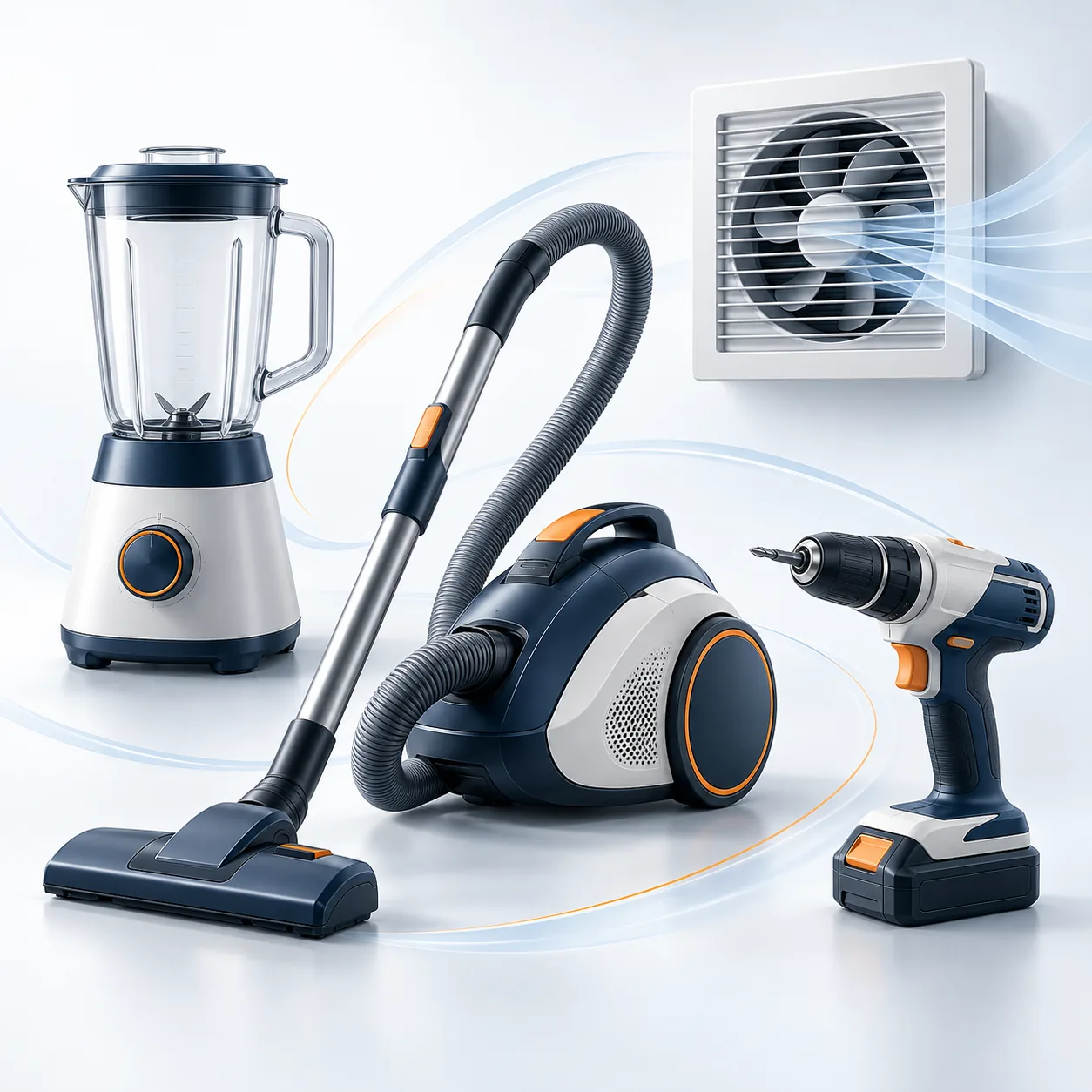
Zhanye Motor helps OEM teams develop dependable brushed, brushless and geared motor solutions—from rapid prototyping to stable volume production.
EXPLORE OUR MOTOR RANGE
Find your motor family.
Browse by motor type, or send your application requirements for help choosing a starting platform.
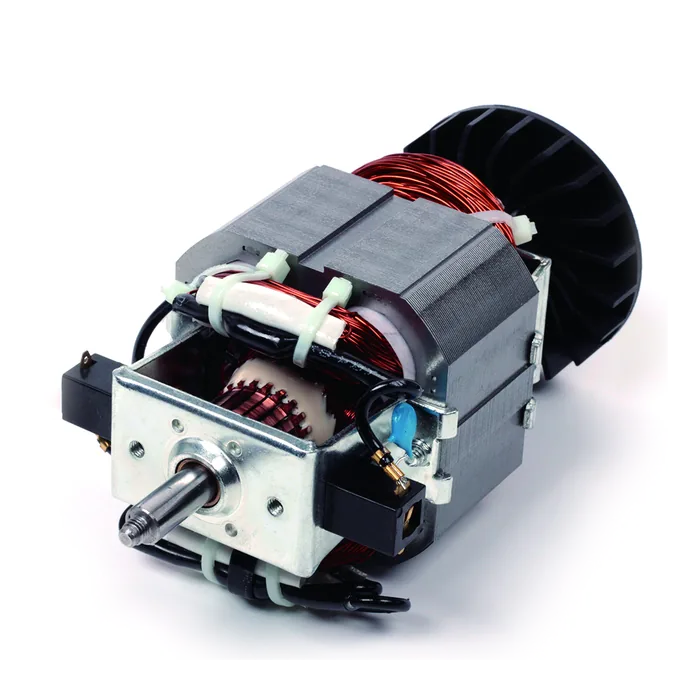
Universal Motors
High-speed motor platforms for appliances and tools. Compare model specifications and customization options.
Explore universal motors →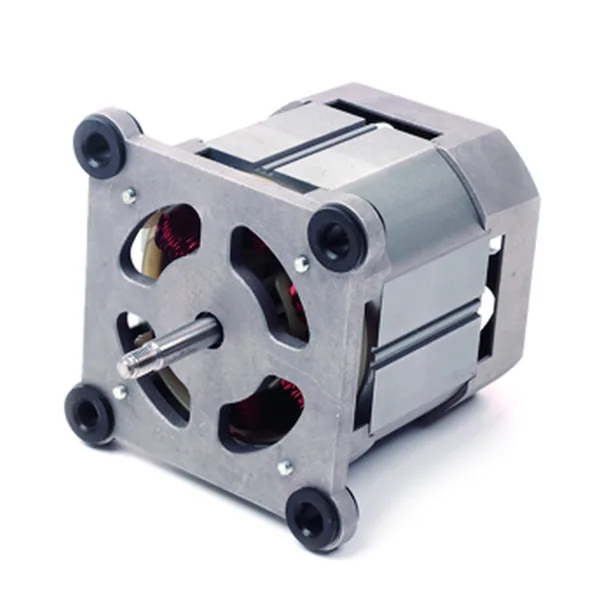
Brushless Motors
Electronically controlled motor platforms. Review the motor, controller and operating load together.
Explore brushless motors →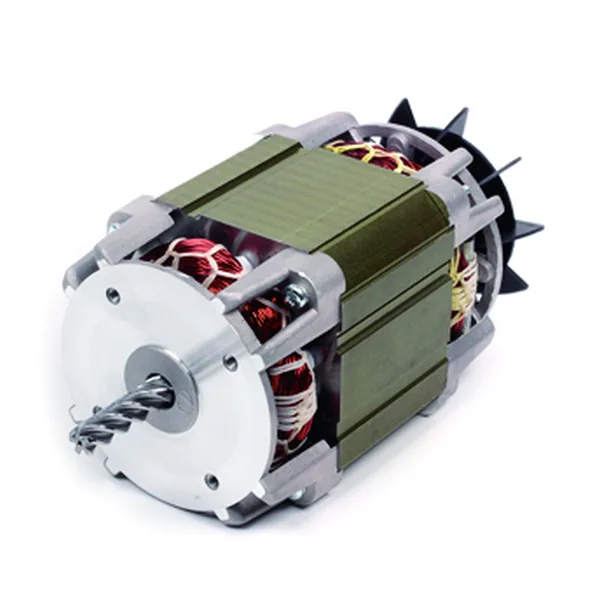
Induction Motors
AC motor platforms for fans, pumps and appliances. Review loaded performance, duty and installation requirements.
Explore induction motors →EXISTING MOTOR REPLACEMENT
Need a replacement motor?
Send your existing motor details for a compatibility review. We will assess electrical performance, shaft and mounting requirements, and the operating load before proposing an alternative.
- 01Clear motor and nameplate photos
- 02Shaft dimensions, mounting and available space
- 03Application, load and operating cycle
- 04Sample quantity and expected demand
UNIVERSAL MOTOR SERIES
High-Speed Universal Motors for OEM Products
Designed for compact appliances requiring high starting torque and a strong power-to-size ratio. Zhanye supports voltage, winding, shaft, airflow and thermal-protection customization around your application.
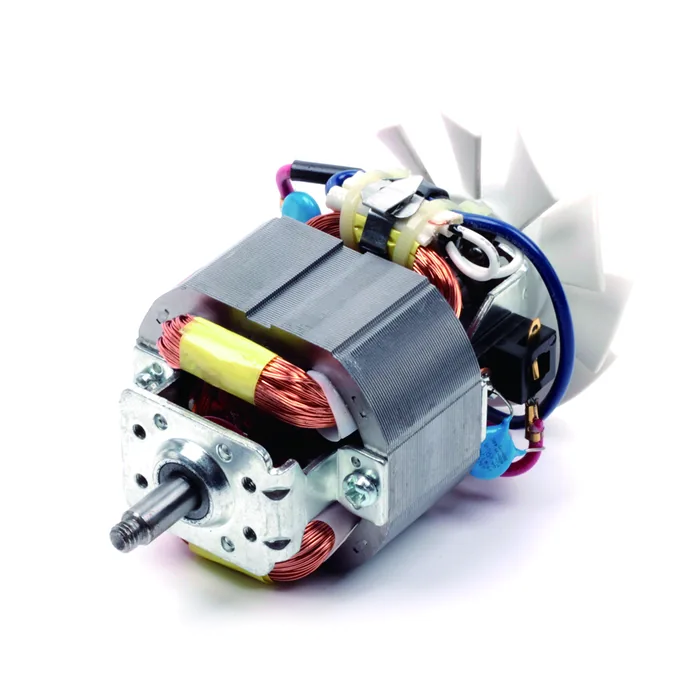
ZU5425 Series
Compact high-speed motor platform for kitchen appliances and other light-duty OEM applications.
ZU7635 Series
Higher-torque universal motor with integrated airflow, suited to demanding appliance duty cycles.
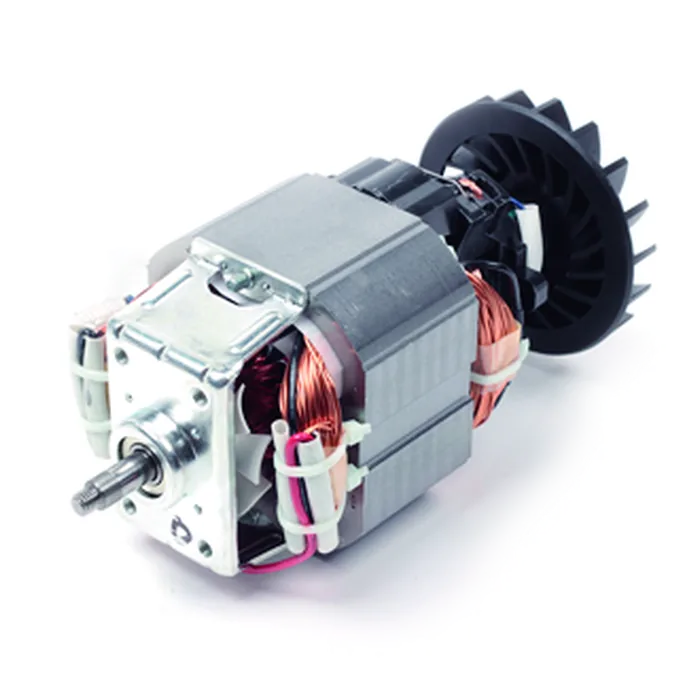
ZU8843 Series
High-output platform for OEM equipment requiring fast speed, strong airflow and compact power density.
FROM BRIEF TO BUILD
A clear path from idea to production.
Application review, prototype learning and production controls—connected in one workflow.
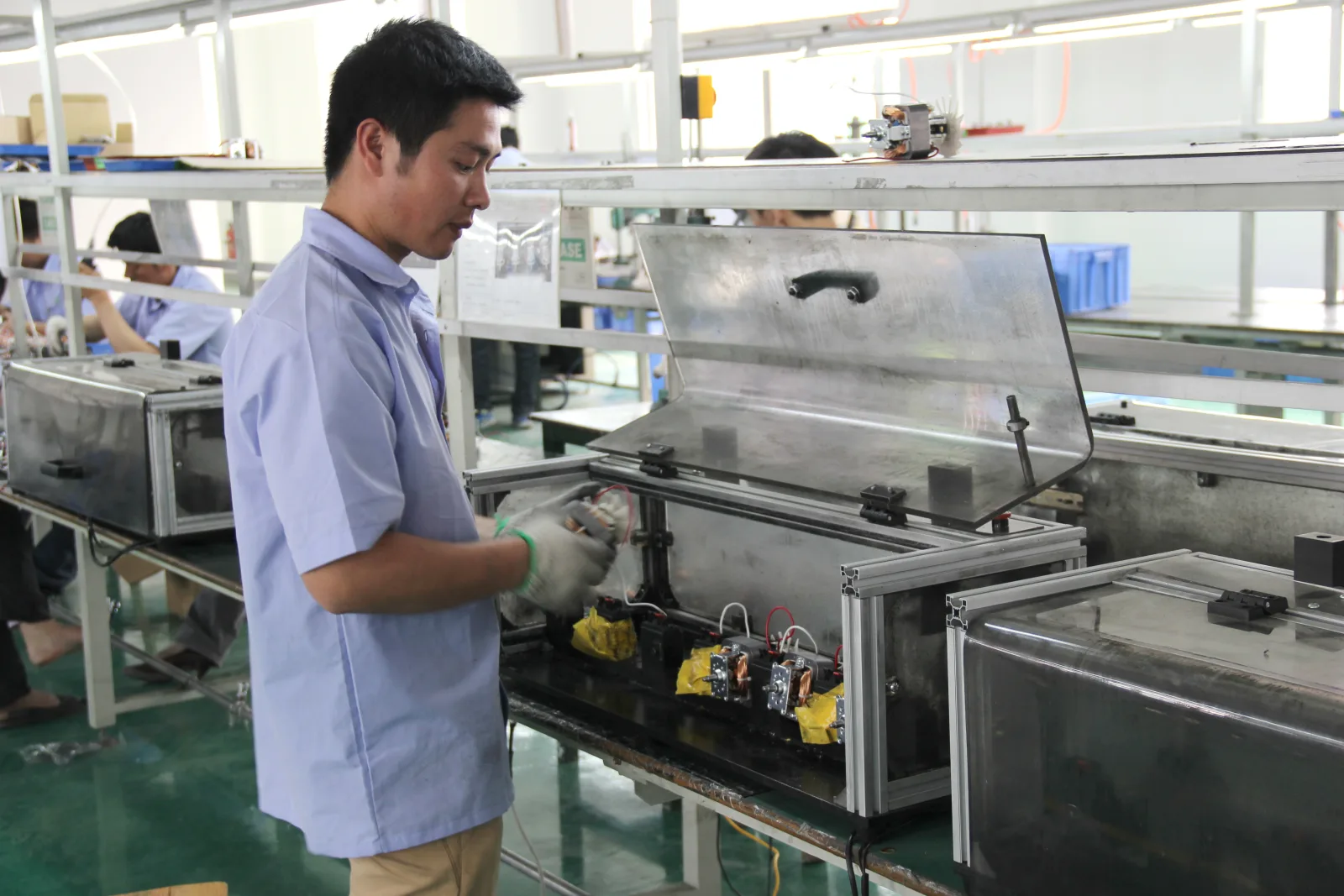
Define
Share load, supply and available space.
Match
Compare proven motor platforms.
Prototype
Build samples for your product.
Validate
Review performance and refine.
Produce
Approve pilot controls for volume.
MOTORS BY APPLICATION
Start with your product.
Explore the load, control and installation questions that guide motor selection for your equipment.
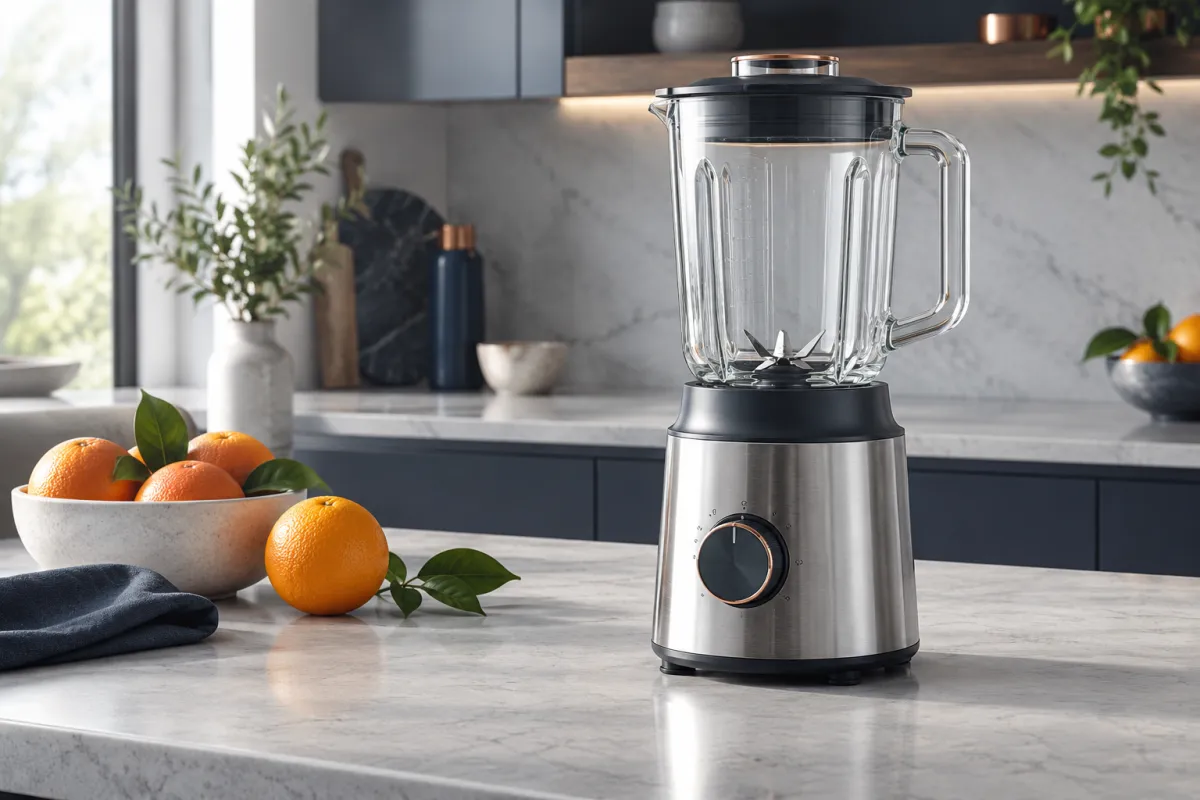
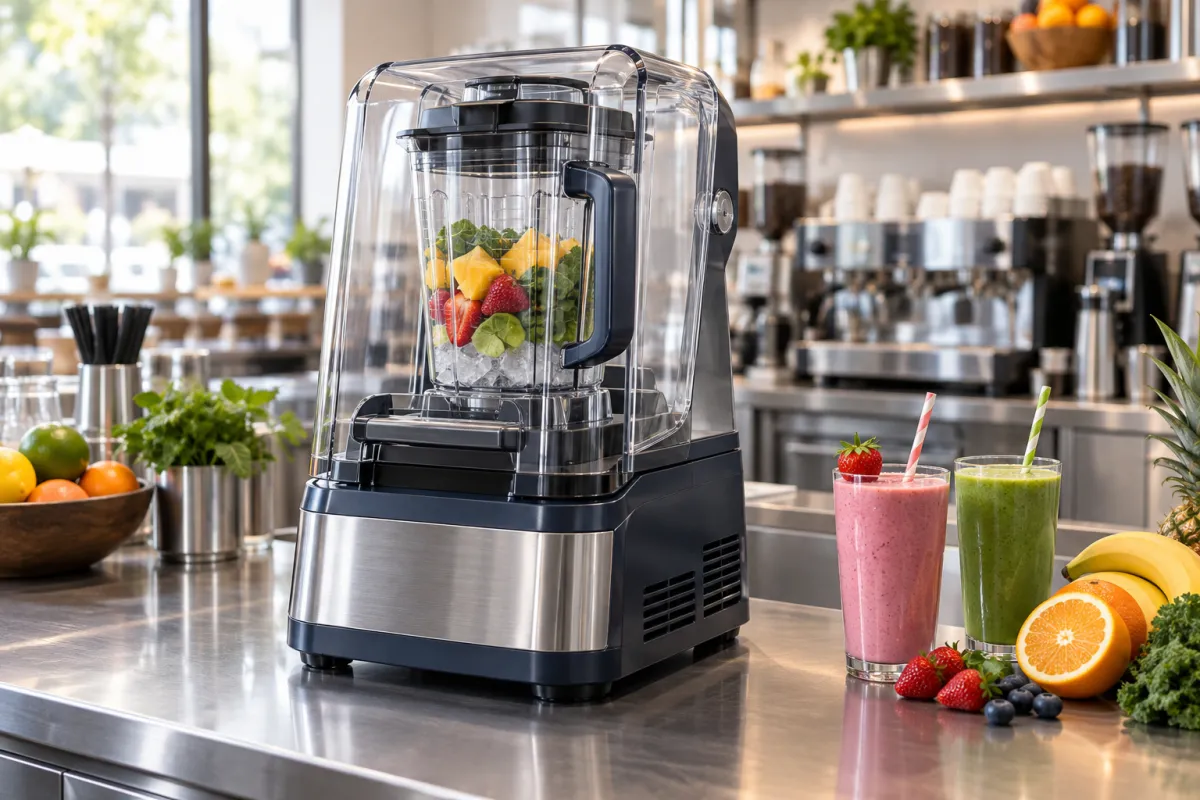
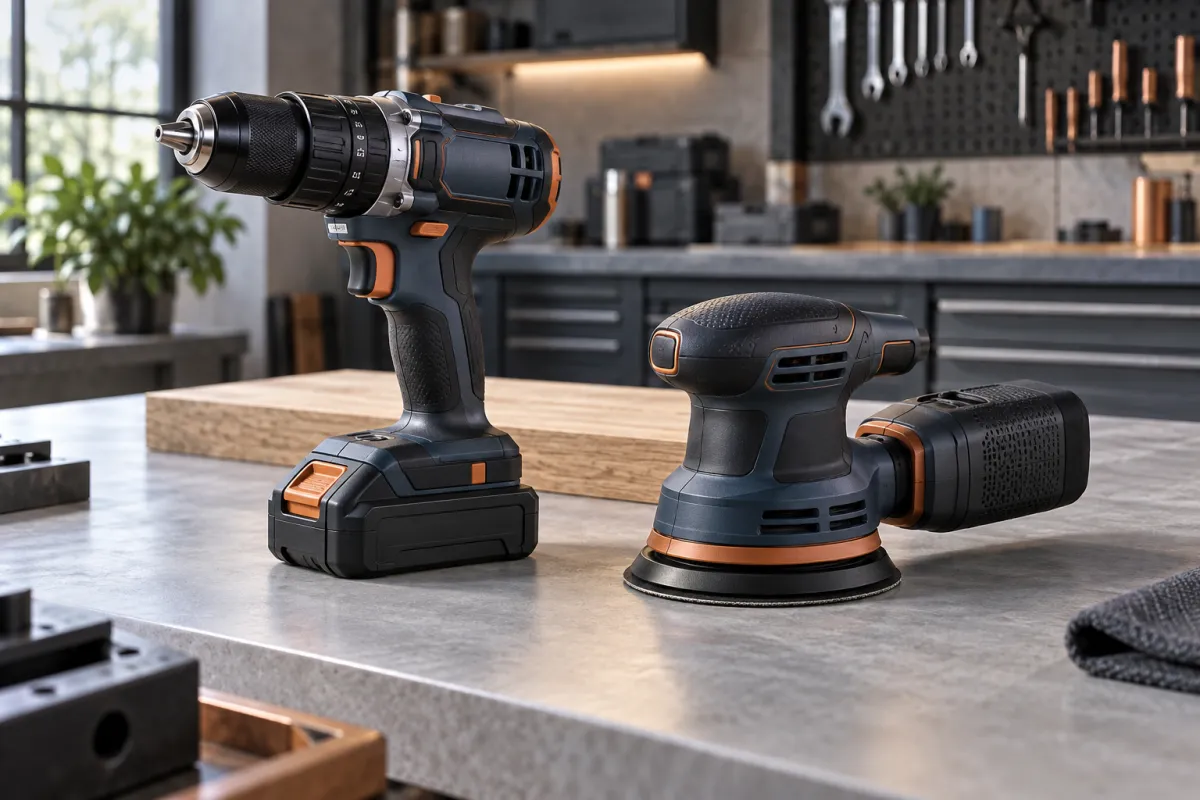
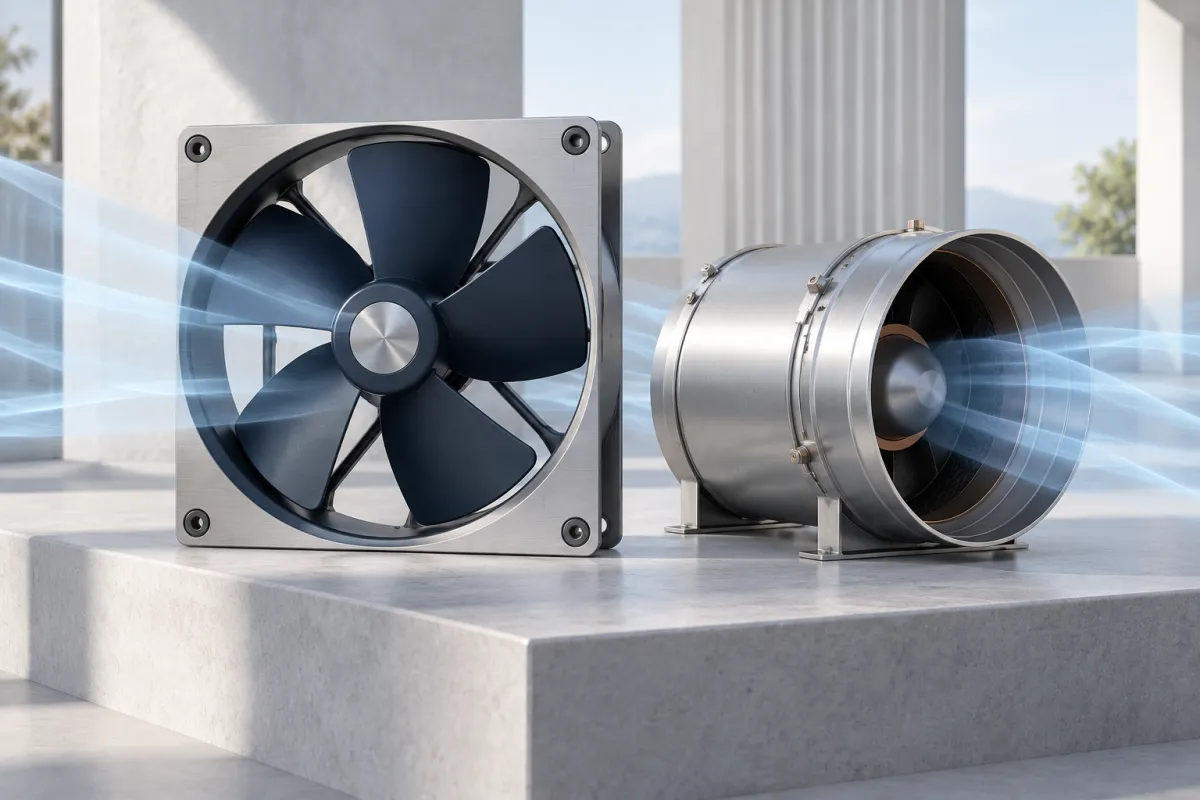
Application concept illustrations. Motor selection is reviewed against your product requirements.
Explore all applications → Zhanye facility
MANUFACTURING & QUALITY
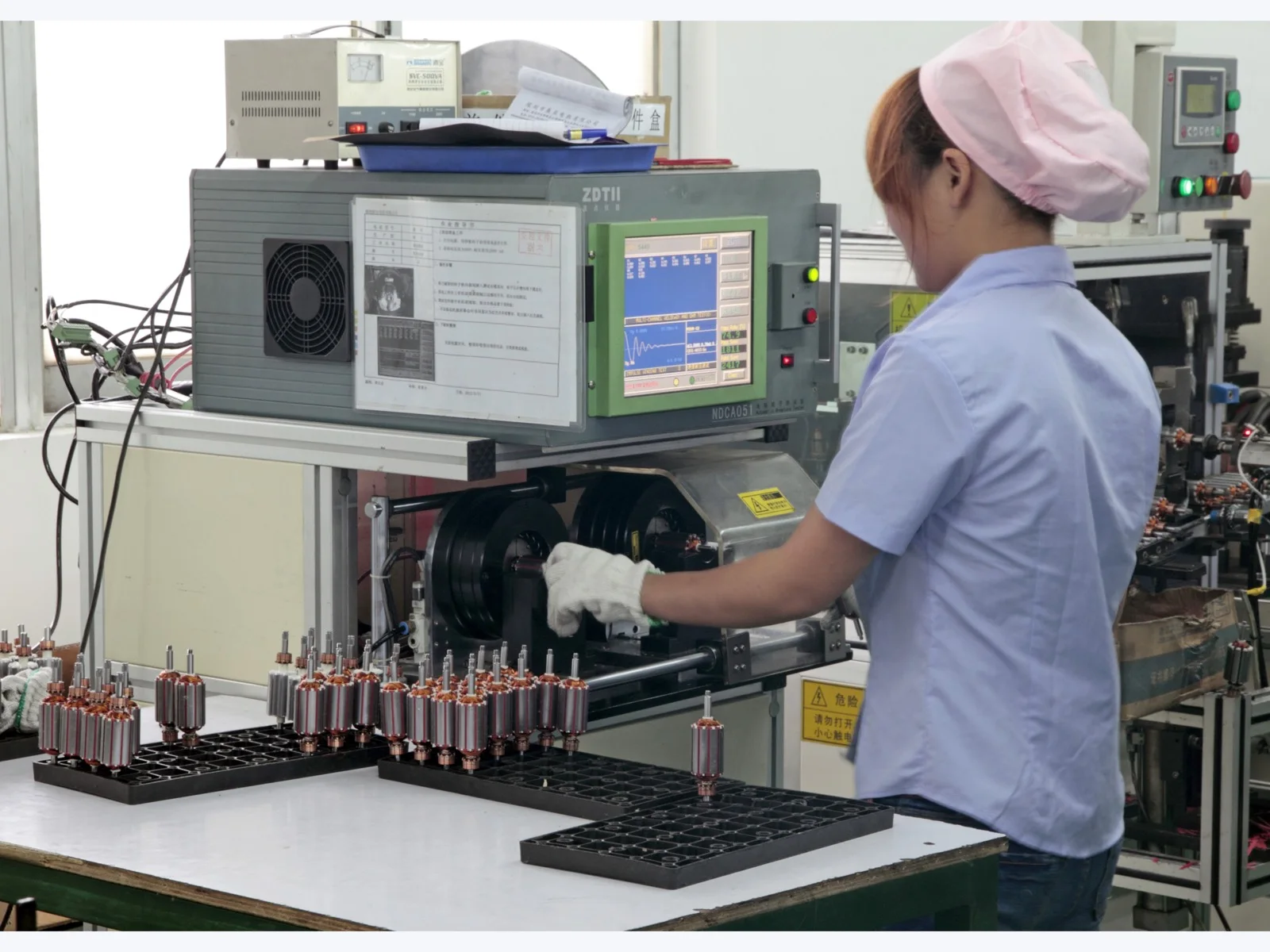
Quality Built into Every Production Stage
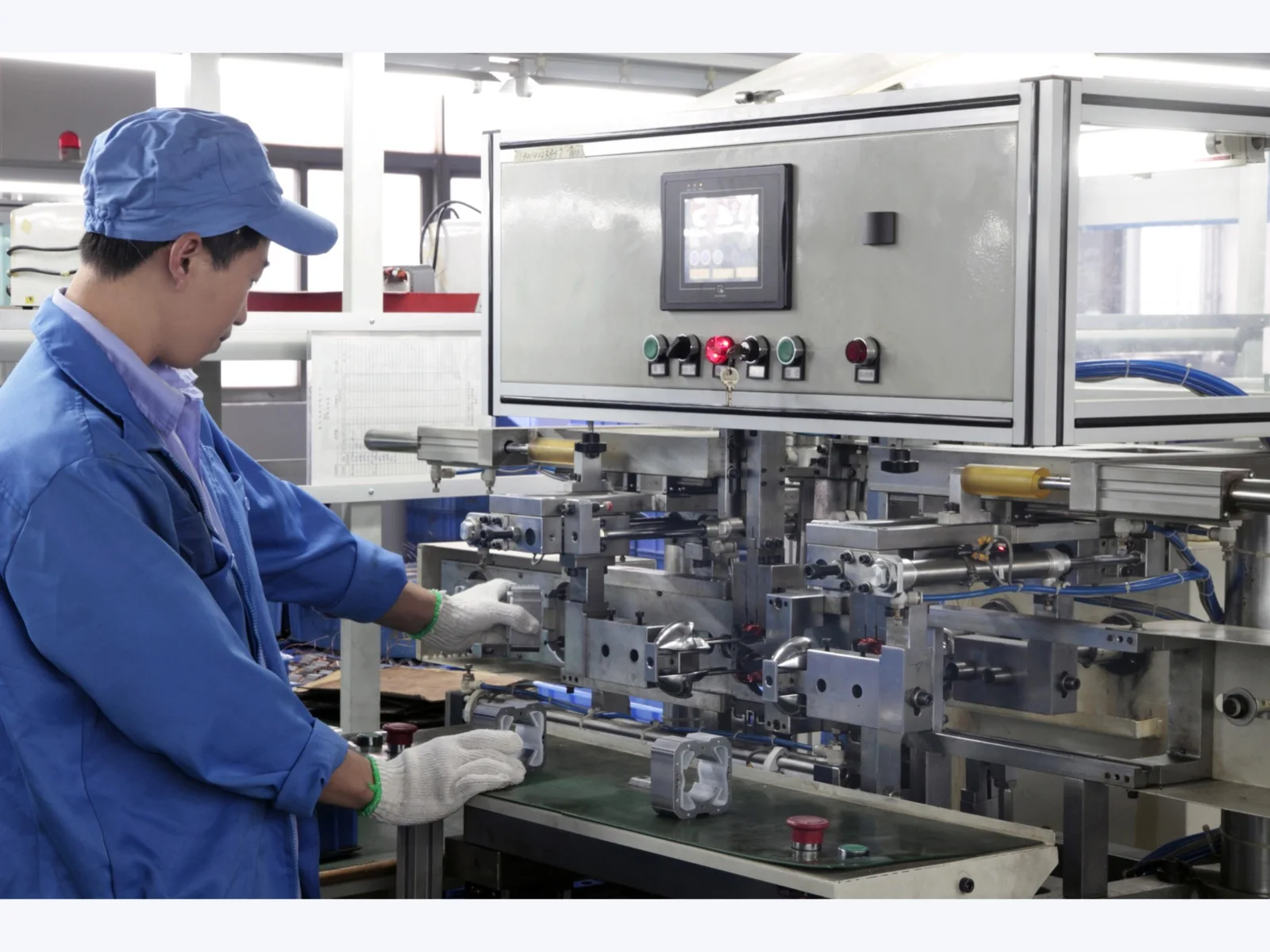
A motor is only useful when its approved performance can be reproduced consistently. Our workflow connects engineering specifications, production controls and final verification before shipment.
Specification Control
Approved electrical and mechanical requirements provide a clear reference for production.
Material & Process Checks
Key components and assembly stages are reviewed against defined requirements.
Performance Validation
Motor behavior is compared with the agreed operating points and test criteria.
Production Consistency
Feedback from pilot builds supports repeatable transition into volume manufacturing.
Documentation and compliance: Current certificates, test reports and application-specific documentation can be reviewed during the RFQ and supplier-qualification process.
Engineering Resources
Practical guides for OEM motor selection
Prepare a clearer application brief, understand catalog performance data and give engineering and purchasing teams the same starting point.
How to Select a Universal Motor for OEM Appliances
Review the supply, loaded operating point, duty cycle and installation envelope before sample validation.
Read the selection guideHow to Read a Universal Motor Performance Table
Keep each operating point together and distinguish shaft output, electrical input, efficiency and power factor.
Read the performance guideWhat to Include in an OEM Motor RFQ
Organize the electrical, mechanical, operating and purchasing inputs needed for an efficient engineering review.
Use the RFQ checklistOEM MOTOR QUESTIONS
Before You Request a Quote
Start with what you know about your application. These answers explain what to prepare and what needs to be confirmed for your project.
Explore motor selection resources →How do I choose a universal motor?
Start with your supply voltage and frequency, required speed and torque under load, duty cycle and available space. Catalog data helps compare platforms, but the final choice should be validated in your product. You can contact us before every specification is finalized.
Can a catalog motor be customized?
Voltage, winding, shaft, mounting, rotation and thermal protection can be reviewed for the selected platform. Share a drawing or installation requirements so that the scope of customization can be assessed.
What is the minimum order quantity?
MOQ needs to be confirmed for the selected model and customization scope. Include your sample quantity, expected order quantity and annual demand in the inquiry so the quotation can address your project.
How are samples and lead times arranged?
Share your project stage, target sample date and validation requirements. Sample availability and lead time need to be confirmed after the motor configuration and any tooling requirements have been reviewed.
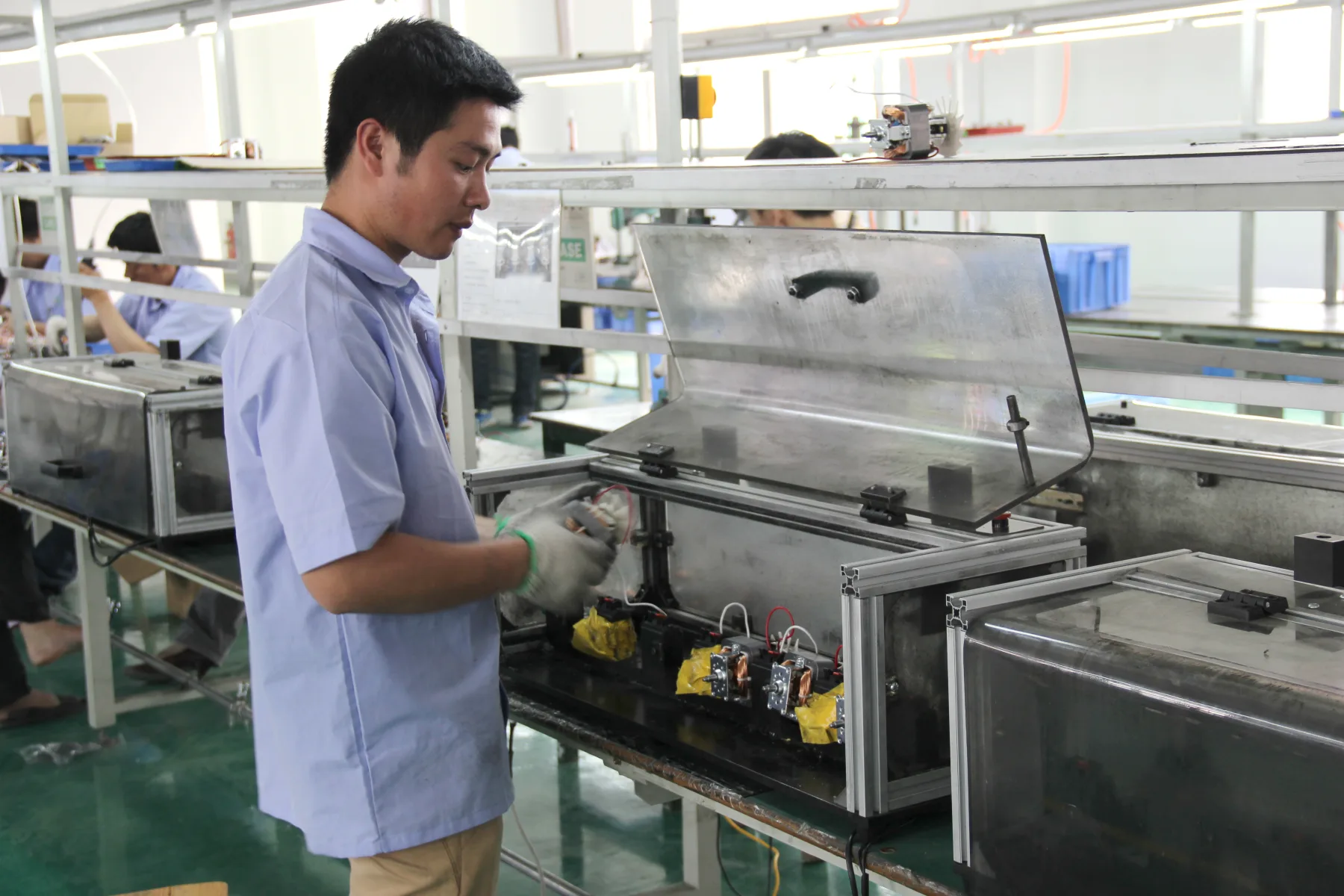
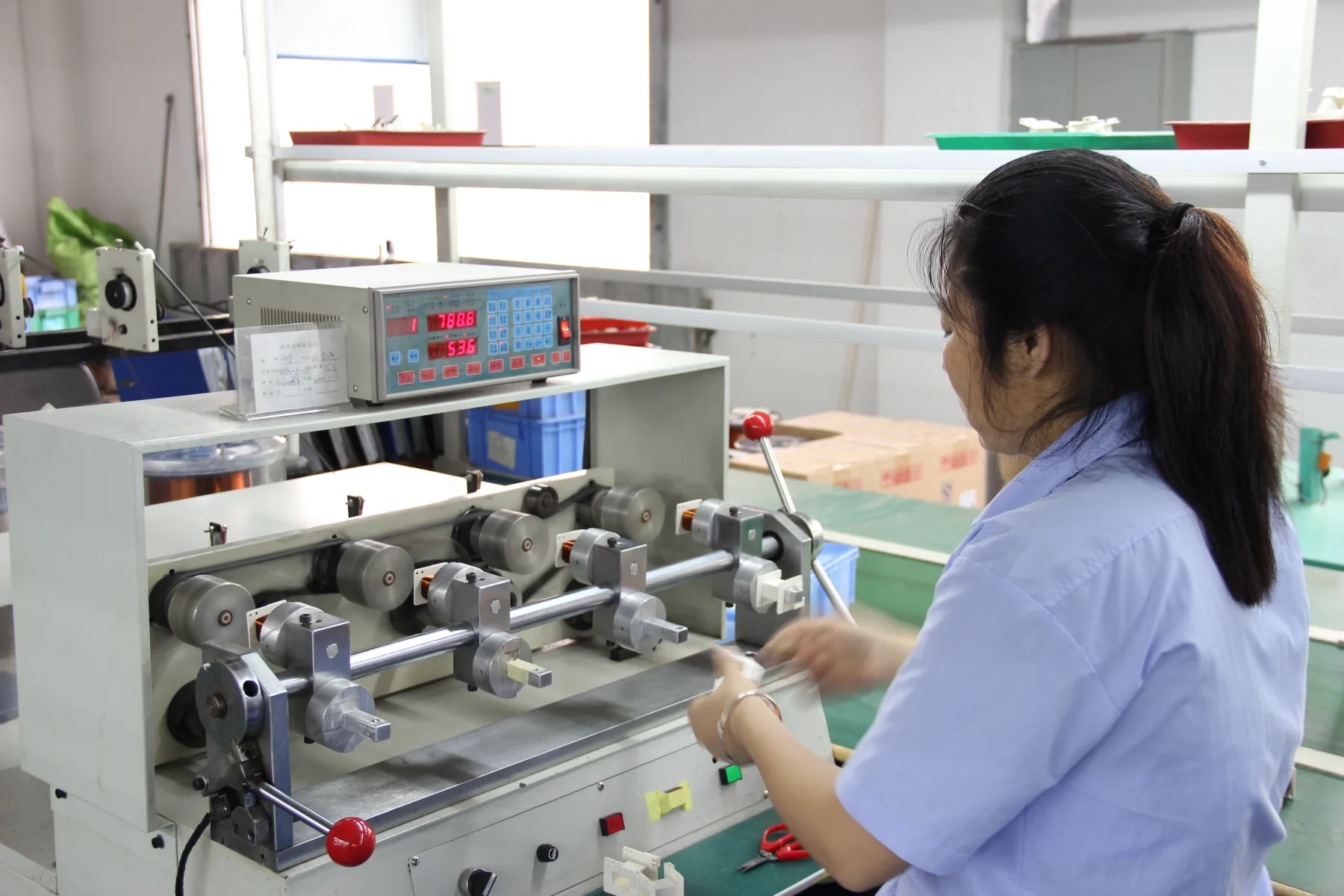
From sample review to manufacturing validation
START YOUR MOTOR PROJECT
Talk with Our Motor Engineering Team
Share your application, operating point, mechanical envelope and estimated quantity. We will help compare available motor platforms and identify the next engineering step.
Helpful information to include: target voltage, speed, torque, duty cycle, available dimensions, project stage and estimated annual demand.