Custom Electric Motor Solutions for OEM Products
Start from a proven motor platform and adapt the electrical, mechanical and performance configuration around your application requirements.
CUSTOMIZATION SCOPE
One platform. Your application requirements.
Scope is confirmed through feasibility review and sample validation.
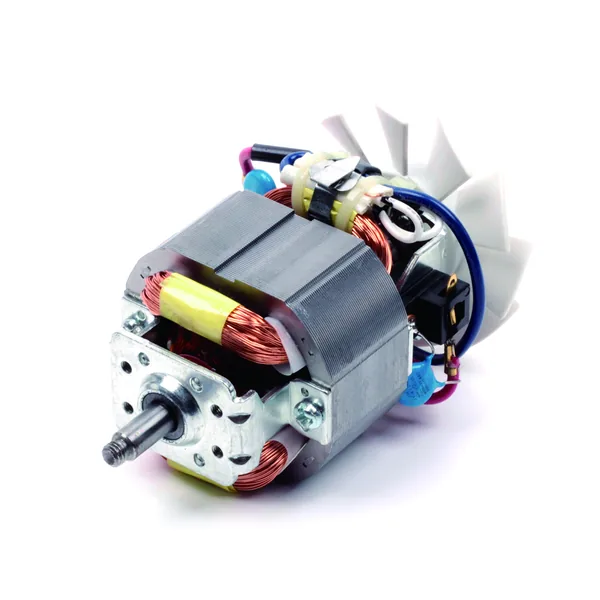
Voltage & winding
Supply, frequency and winding configuration.
Speed & torque
Working point, startup load and duty cycle.
Shaft & mounting
Shaft geometry, brackets and installation space.
Rotation & airflow
Direction, fan configuration and cooling path.
Thermal protection
Protection options and operating environment.
Noise & integration
Product-level sound, vibration and fit.
FROM BRIEF TO BUILD
A clear path from idea to production.
Application review, prototype learning and production controls—connected in one workflow.
Define
Share load, supply and available space.
Match
Compare proven motor platforms.
Prototype
Build samples for your product.
Validate
Review performance and refine.
Produce
Approve pilot controls for volume.
Prepare for an Engineering Review
Clear inputs create faster motor matching
A good starting package
- Product description or application image
- Target voltage and operating point
- Available dimensions or drawing
- Estimated sample and annual quantity
What we help clarify
- Closest motor platform
- Open technical questions
- Prototype and validation scope
- Next quotation or sample step
Prepare for a more productive review
Use these guides to compare a starting platform, interpret motor data and organize the information needed for an OEM RFQ.
Selecting a Universal Motor for an OEM Product
Connect the application, operating point, mechanics, thermal duty and validation target.
Read the guide →Reading a Universal Motor Performance Table
Understand which catalog figures are comparable and which require matching test conditions.
Read the guide →OEM Motor RFQ Checklist
Build a concise requirement package for an initial engineering and quotation review.
Use the checklist →Engineering decisions carried into production
After a starting platform is selected, key electrical and mechanical requirements are translated into winding, process and inspection controls for sampling and production review.
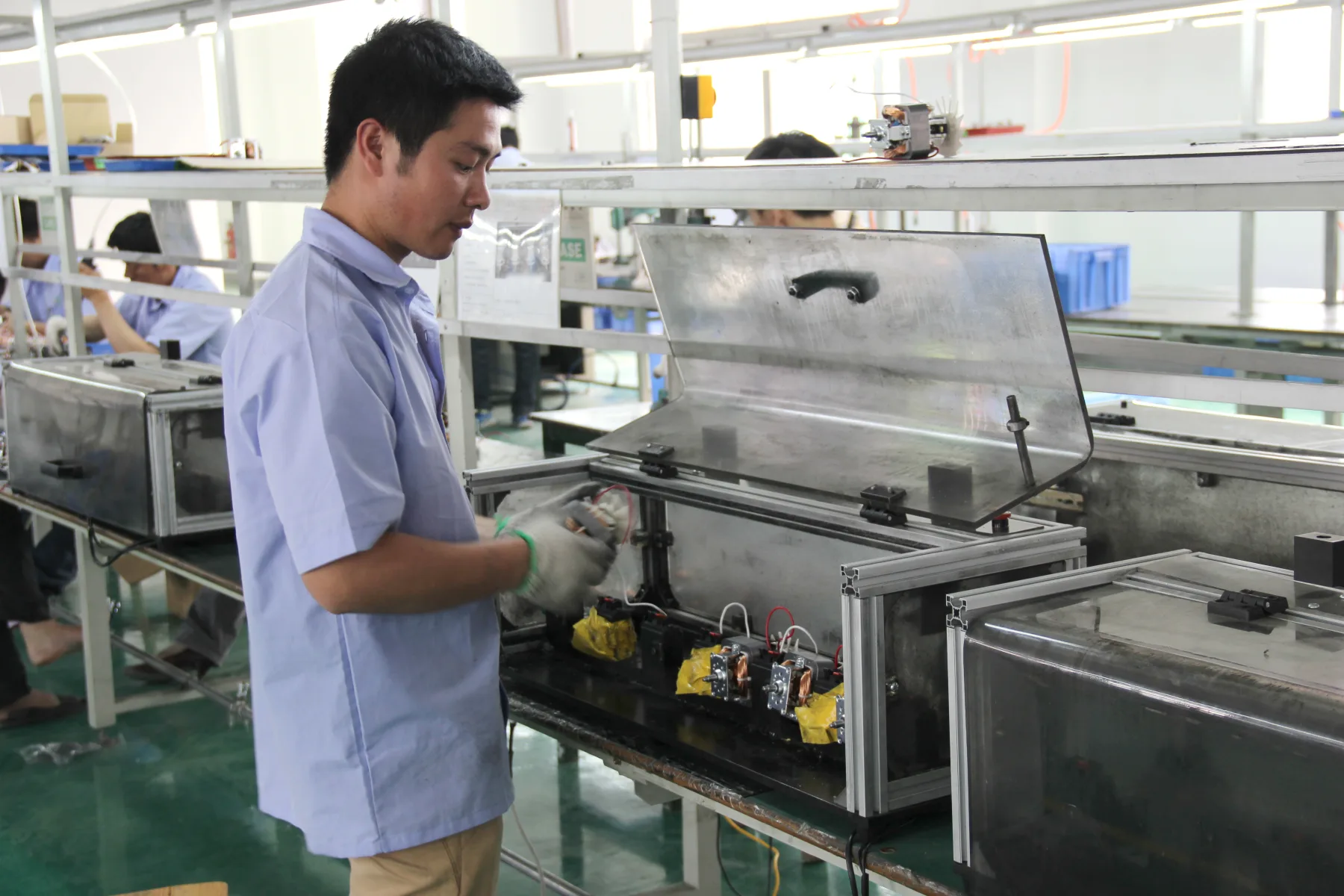
Sample and process review
Motor components and assembly steps are checked against the agreed sample configuration before production ramp-up.
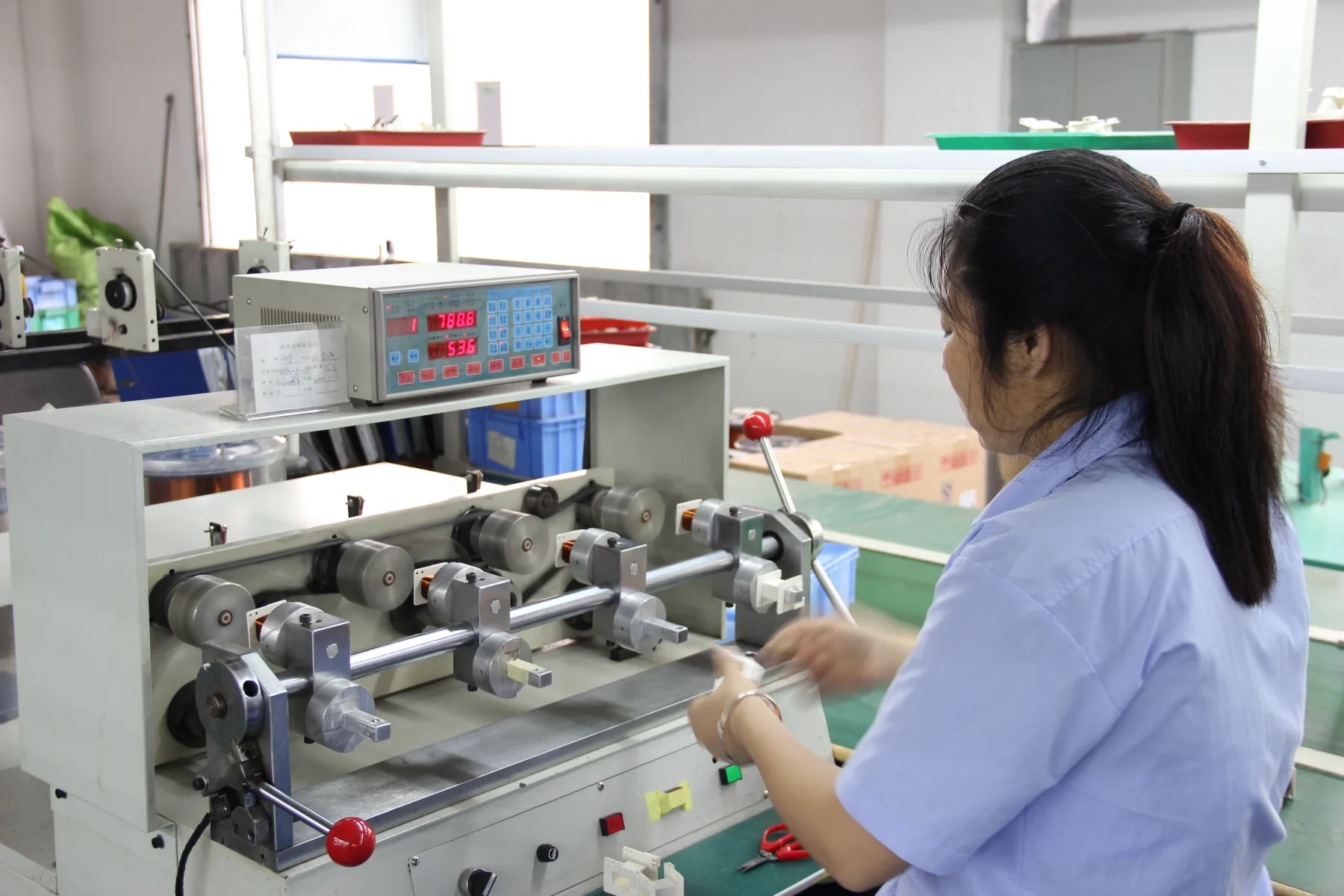
Winding and build consistency
Winding parameters and critical assembly points are controlled to support repeatable OEM validation.
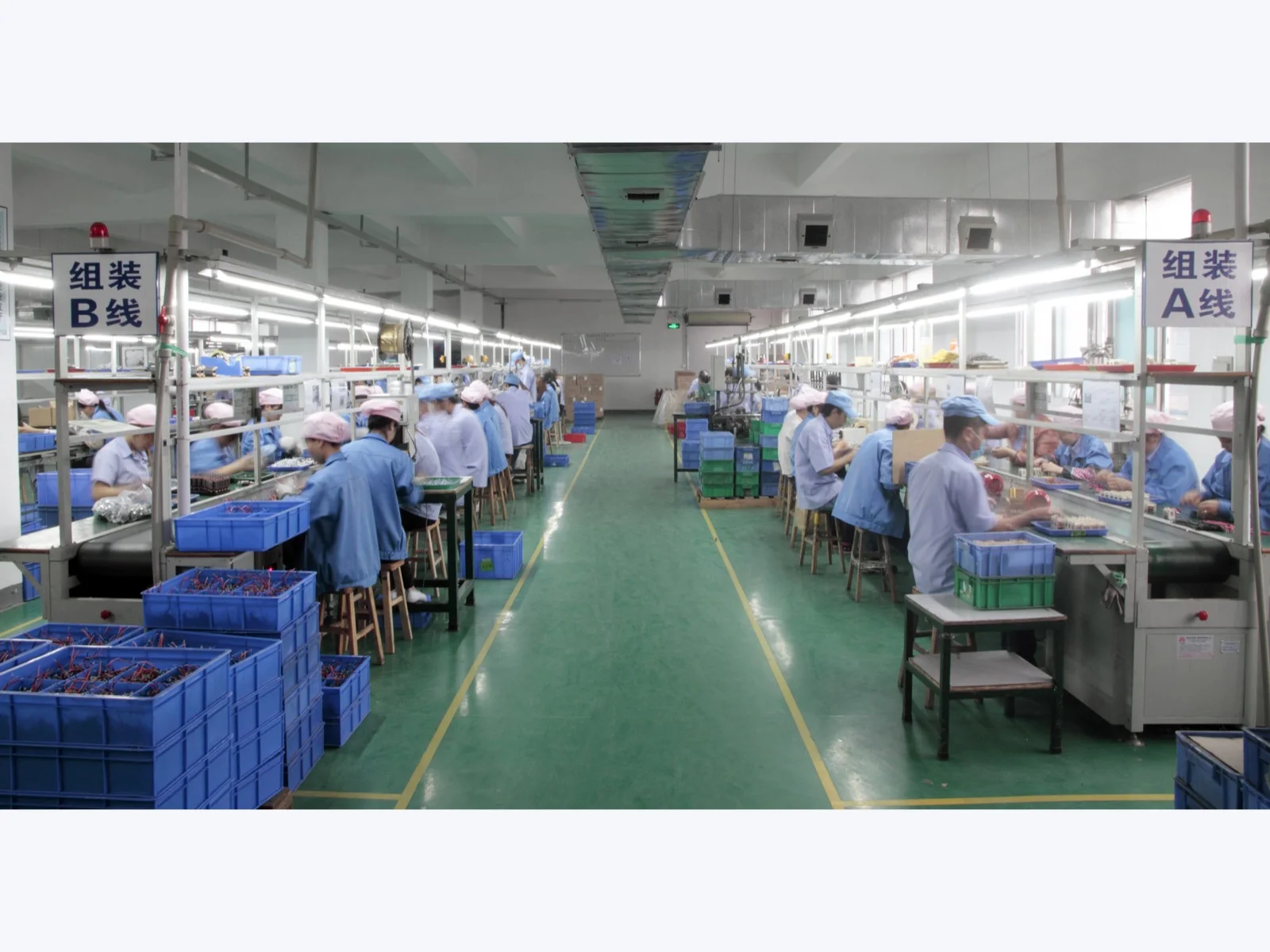
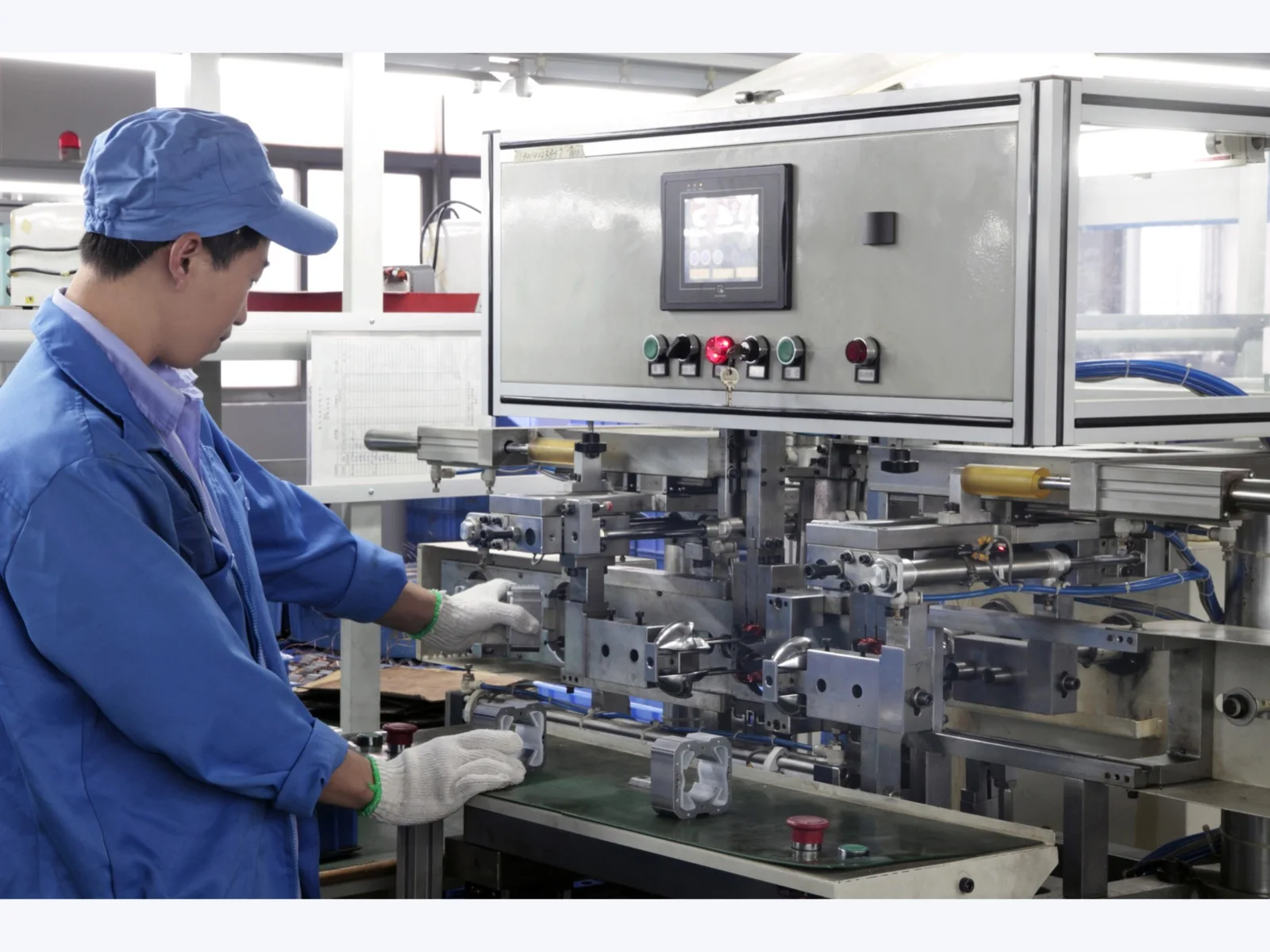
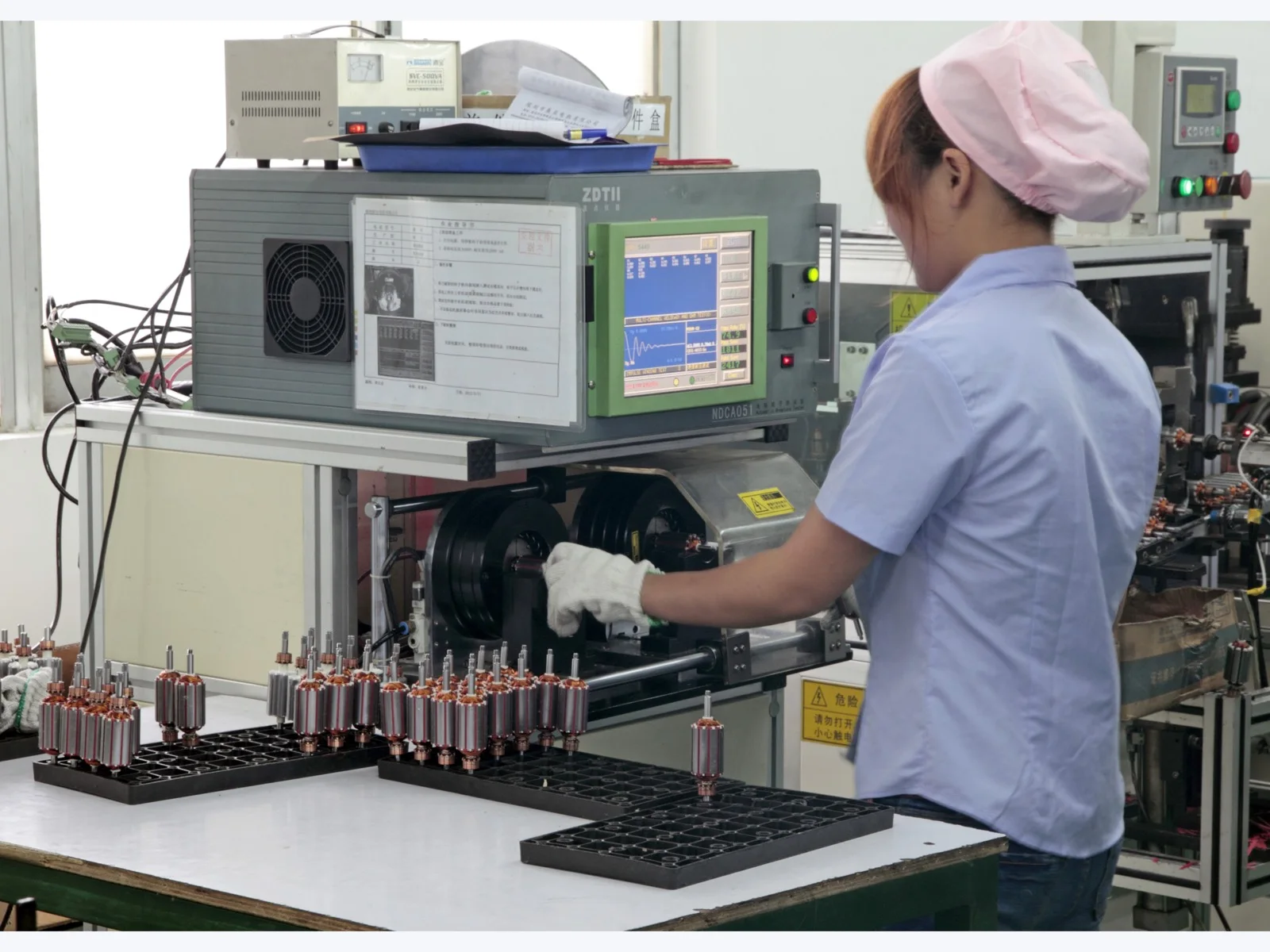
A closer look at Zhanye Motor
Have a motor requirement to review?
Share the information available today. Zhanye will help organize the next engineering questions and compare suitable starting platforms.
Direct engineering answers
Custom electric motor development: quick answers
What can be customized for an OEM motor?
A project may review winding, voltage, loaded speed, torque, shaft, bearing, mounting, lead wire, connector, controller interface, cooling and protection. The practical scope depends on the starting platform and validation results.
What should be included in a custom motor RFQ?
Share the application, supply, load point or curve, startup requirement, duty cycle, mechanical drawing, environment, noise target, project stage, sample quantity and estimated annual demand.
How does development move toward production?
The normal sequence is requirements review, platform selection, engineering samples, product-level testing, refinement, pilot confirmation and controlled production release.
Engineering note: published information supports initial comparison. Final specifications, certification scope, MOQ and lead time are confirmed for each project.
START YOUR MOTOR PROJECT
Talk with Our Motor Engineering Team
Share your application, operating point, mechanical envelope and estimated quantity. We will help compare available motor platforms and identify the next engineering step.
Helpful information to include: target voltage, speed, torque, duty cycle, available dimensions, project stage and estimated annual demand.