
Application Engineering
Motor Selection Starts with Your Product
The best starting motor is defined by the complete application—not by one speed or power figure. Zhanye reviews the operating point, load profile, mechanical envelope, cooling path and validation target before recommending a platform.
APPLICATION ENGINEERING
Start with the product. Find the right motor.
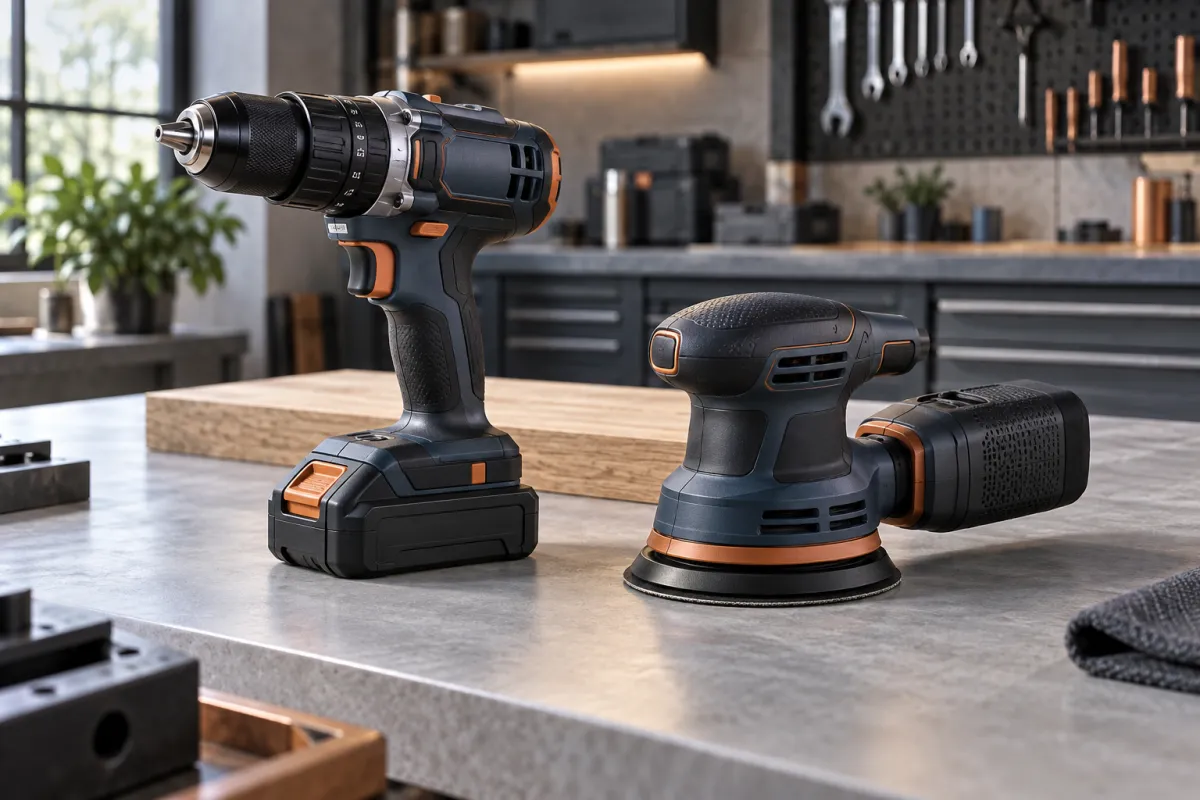
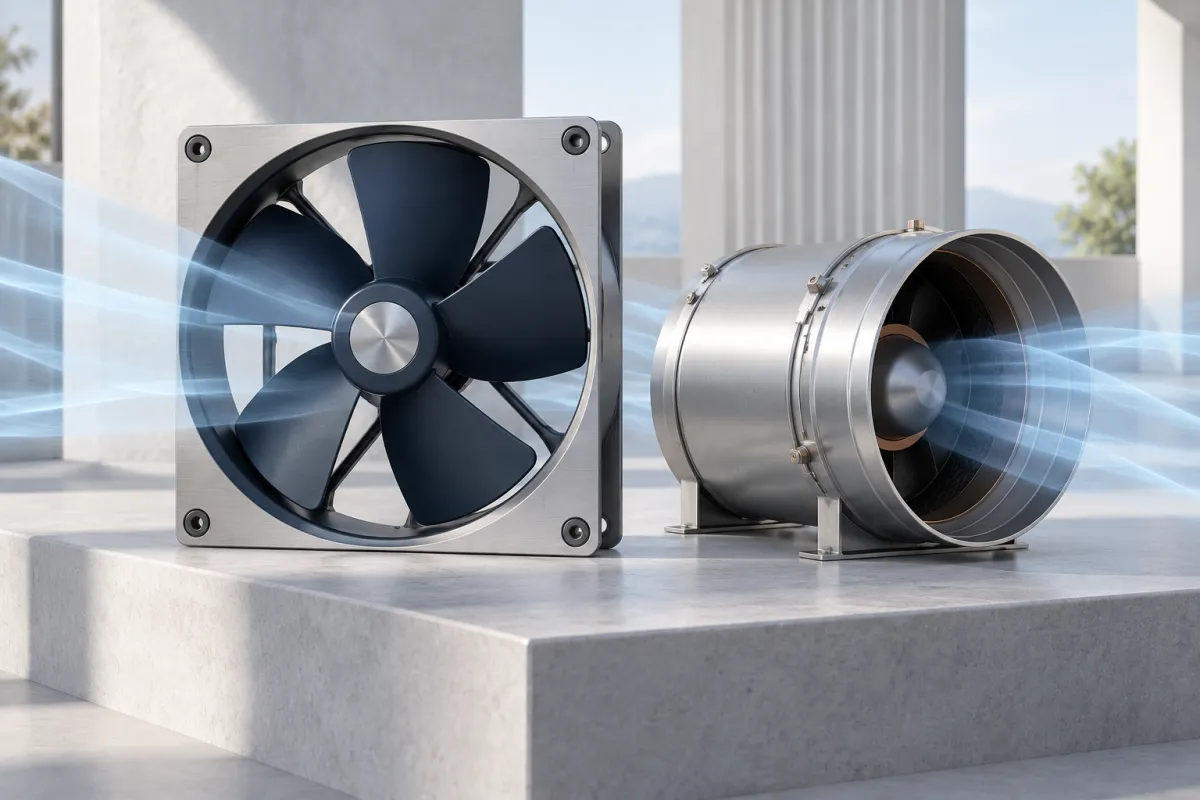
Three application starting points, each with a different engineering focus.

KITCHEN APPLIANCE APPLICATIONS
Different products. Different drive requirements.
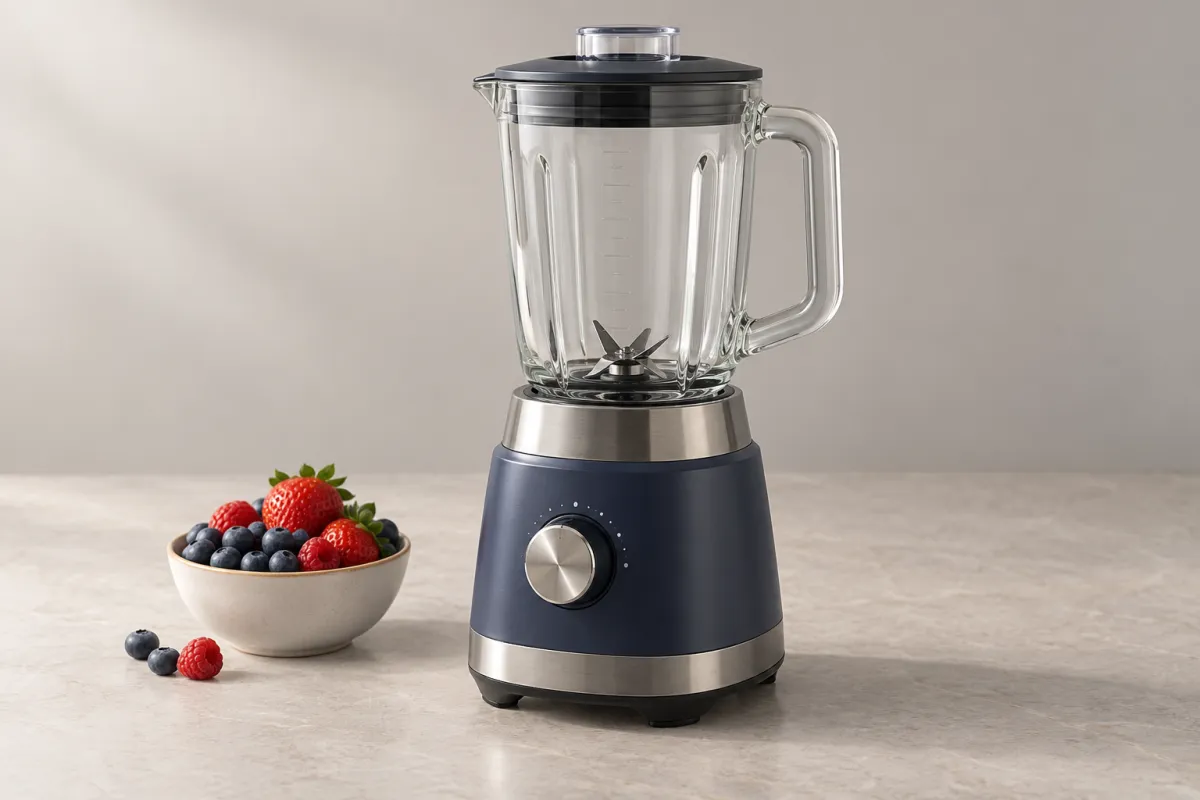
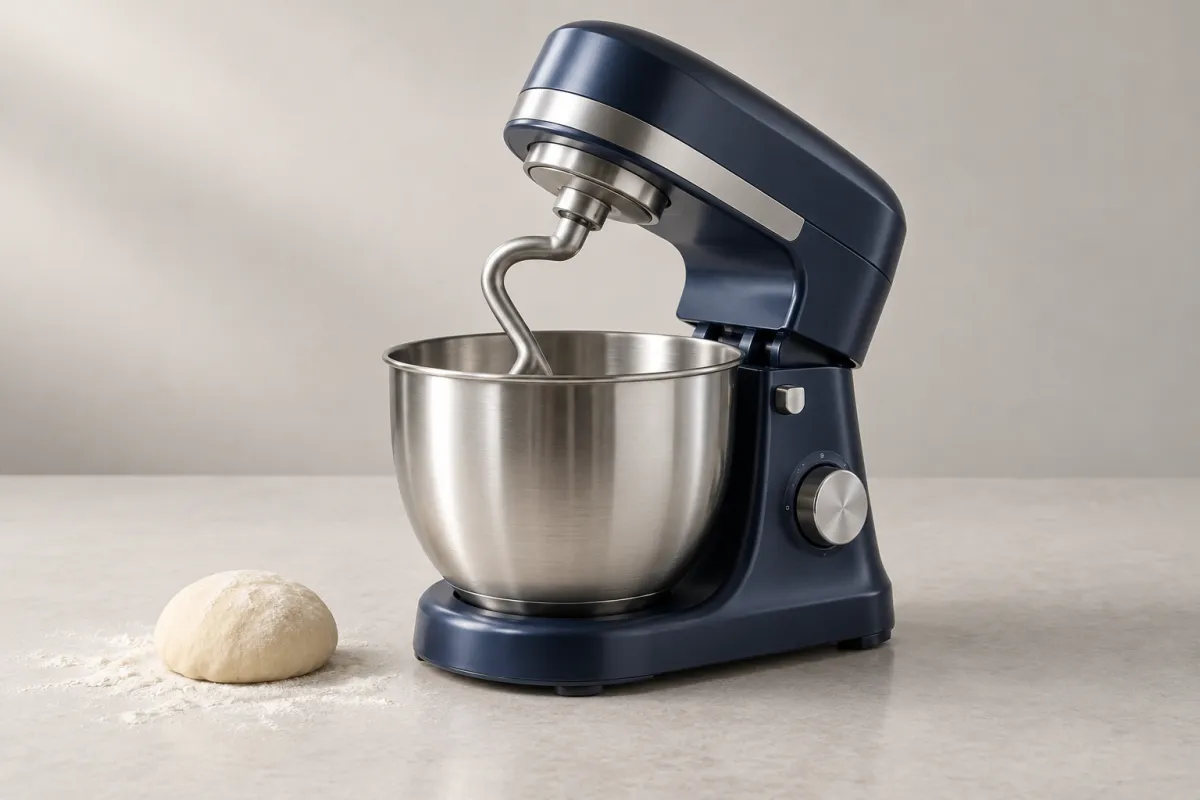
Explore five appliance formats for your next motor project.



YOUR NEXT APPLICATION
A different kitchen appliance?
Share the load, available space and operating cycle. We can review the motor and transmission requirements together.
Explore custom solutions ↗Original application concept illustrations, not finished appliances offered for sale. Motor suitability is assessed against your product requirements.
COMMERCIAL EQUIPMENT APPLICATIONS
Motor engineering for professional kitchens.
From soy milk preparation to café beverages, start with the demands of your daily operating cycle.
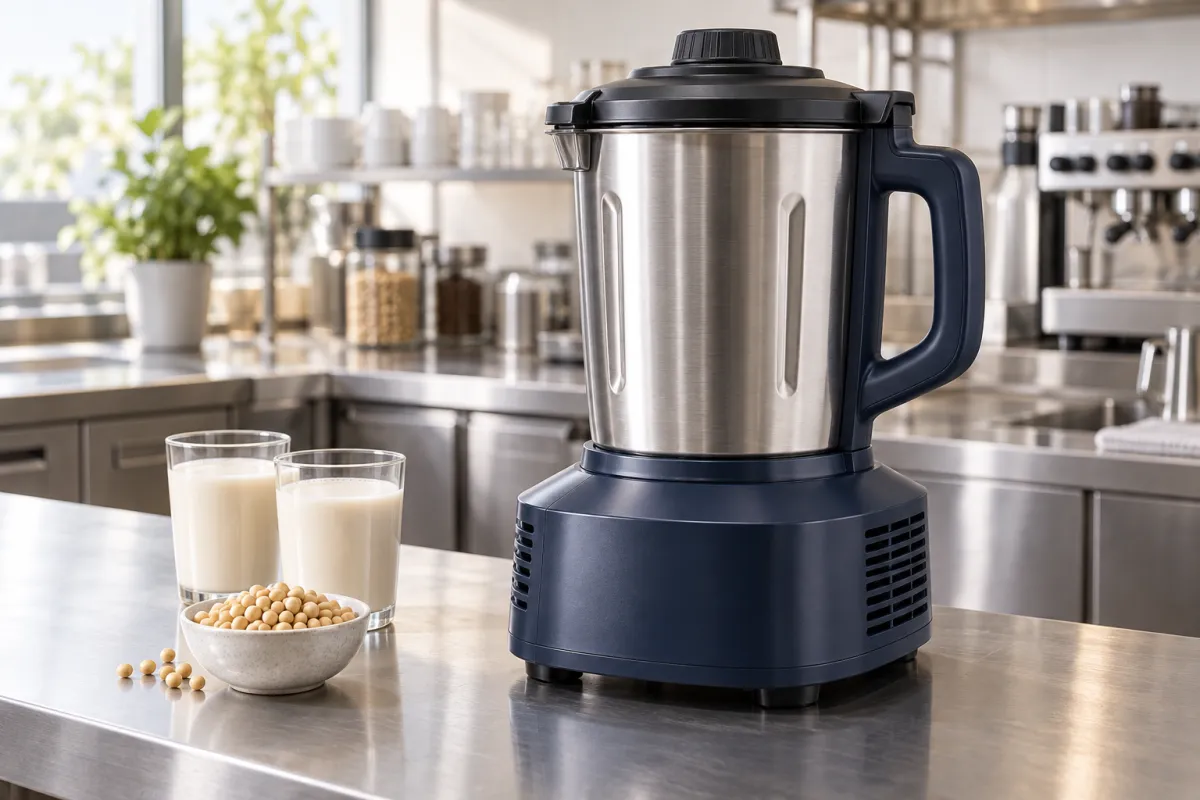
Commercial soy milk makers
For foodservice preparation: review grinding load, batch duration and the thermal environment.
Discuss your commercial equipment ↗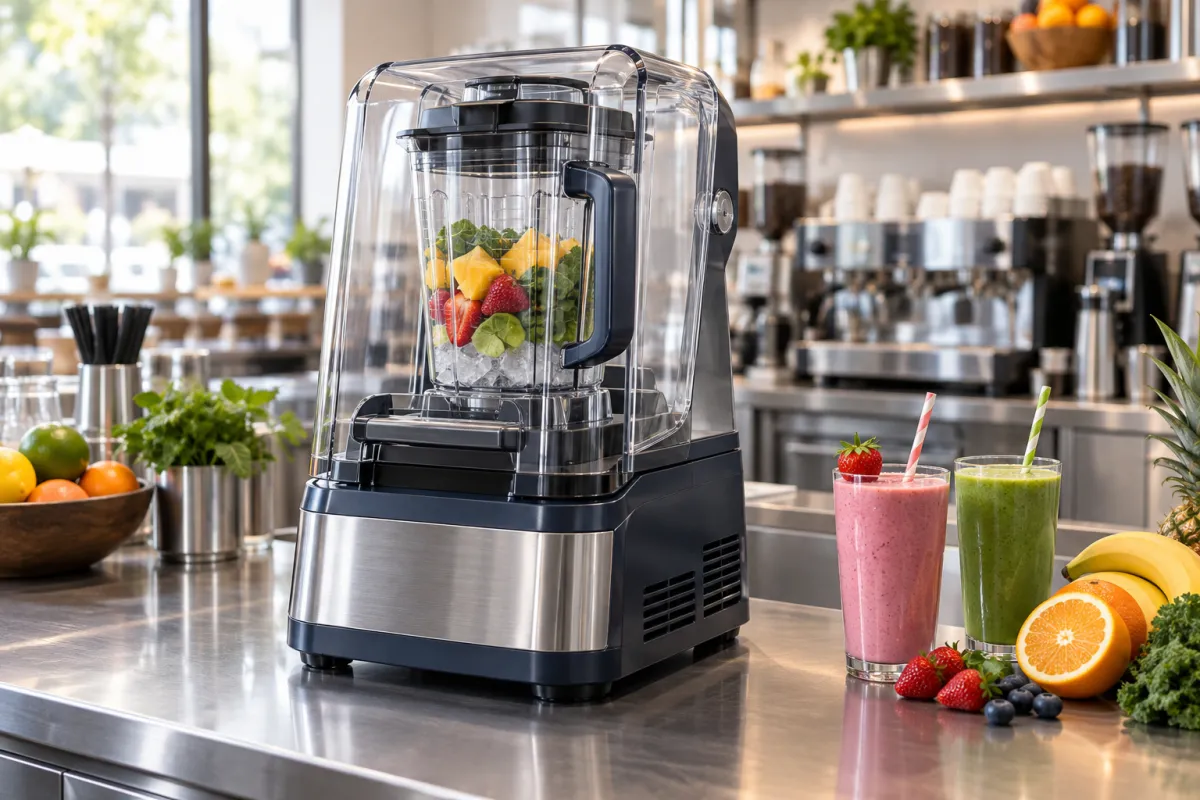
Commercial juice & smoothie blenders
For beverage stations: assess blending loads, cooling airflow and noise within the complete enclosure.
Discuss your commercial equipment ↗Application concept illustrations. Finished equipment is not offered for sale. Motor performance, service life and compliance requirements must be validated for each application.
Application concept illustrations. Final motor selection is validated in your product.
Review the full application brief ↗Application to Motor Platform
Choose a starting motor family from the application
These links provide an initial direction. Final selection still depends on the operating point, available space, duty cycle, environment and validation target.
Universal Motors
A practical starting point for blenders, food processors, cleaning equipment and selected power-tool duties where compact power density matters.
Explore Universal Motors →Brushed DC Motors
Suitable starting platforms for compact mechanisms, pumps, actuators and equipment requiring straightforward DC operation.
Explore DC Motors →Brushless Motors
For airflow, continuous-duty and controlled-speed products where efficiency, life and system integration are important.
Explore Brushless Motors →Induction Motors
Common starting points for fans, pumps and appliances requiring stable AC operation and a robust construction.
Explore Induction Motors →Shaded-pole Motors
Useful for compact fans, cooling and ventilation functions with modest output and straightforward AC operation.
Explore Shaded-pole Motors →Application Review
Define the conditions around the motor
A catalog model can provide a practical baseline. Final suitability still depends on the complete product and the way it will be tested and used.
Electrical target
Supply voltage, frequency, control method, current limits and applicable product requirements.
Mechanical load
Required speed, torque or representative load, startup condition and rotation direction.
Packaging
Motor envelope, shaft drawing, mounting points, couplings, clearances and assembly interfaces.
Thermal duty
On/off cycle, ambient conditions, airflow, temperature limits and expected operating pattern.
Validation target
Noise measurement, life test, product-level safety review and acceptance criteria.
Program context
Project stage, sample timing, estimated annual demand and target production location.
From Review to Validation
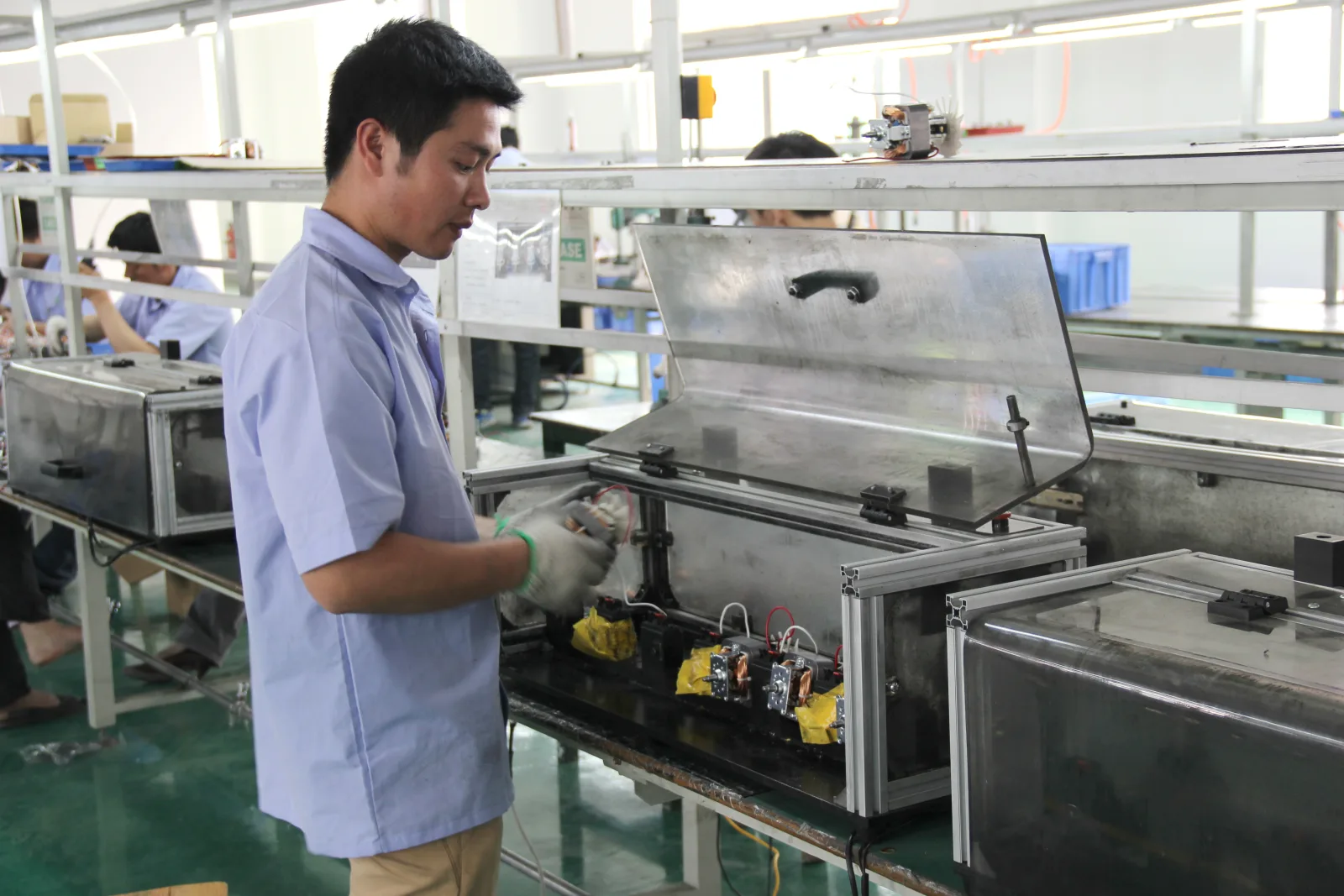
A motor recommendation must work in the product—and in production
Application requirements define the starting configuration. Sample build, test conditions and process review then help confirm whether electrical, mechanical and thermal assumptions can be carried into a repeatable production reference.
- Establish a representative operating point and test method
- Review mechanical interfaces and the sample configuration
- Record open points before pilot production
Matching Process
From application brief to validation plan
The goal of the initial discussion is to establish a realistic shortlist and expose unknowns early—before detailed customization or sample testing begins.
Describe the product
Explain what the motor drives, how the product is used and which constraints are fixed.
Define the operating point
Provide voltage, speed, load, duty and available dimensions, including acceptable ranges.
Compare starting platforms
Review catalog data, trade-offs and the customization points that affect the application.
Agree on validation
Confirm samples, test conditions, measurement methods and the next engineering decision.
Anonymous Project Examples
How application questions become engineering decisions
These generalized examples show the review structure used in confidential OEM discussions. Customer names, drawings and project-specific figures are not published.
Motor matching within a compact package
- Project context
- Repeated food-processing loads, restricted installation space and an existing shaft interface.
- Engineering focus
- Voltage, loaded speed, startup demand, operating cycle, cooling path and mechanical fit.
- Next decision
- Shortlist the closest universal-motor platforms and define product-level sample tests.
Evaluate the motor as part of the airflow system
- Project context
- A target airflow and acoustic limit that cannot be judged from motor no-load data alone.
- Engineering focus
- Fan curve, system resistance, operating point, temperature rise, vibration and available cooling air.
- Next decision
- Compare suitable induction, brushless or compact fan-motor platforms under a representative load.
Define a realistic duty and overload review
- Project context
- High startup demand, changing load and a compact product envelope sensitive to heat and vibration.
- Engineering focus
- Operating cycle, overload condition, airflow, mounting interface, insulation and validation method.
- Next decision
- Agree the sample configuration and repeatable product-level test conditions before refinement.
Confidentiality: project-specific drawings, customer identities and commercial details are discussed privately. An NDA can be arranged before confidential material is shared.
Engineering Resources
Prepare a clearer motor discussion
These practical guides explain how to compare catalog data and organize the information needed for an OEM review.
How to Select a Universal Motor for an OEM Product
Start with the application and compare electrical, mechanical, thermal and life requirements together.
Read the guide →How to Read a Universal Motor Performance Table
Understand no-load data, rated operating points and why test conditions matter.
Read the guide →OEM Motor RFQ Checklist
Organize the inputs that help engineering evaluate a motor request efficiently.
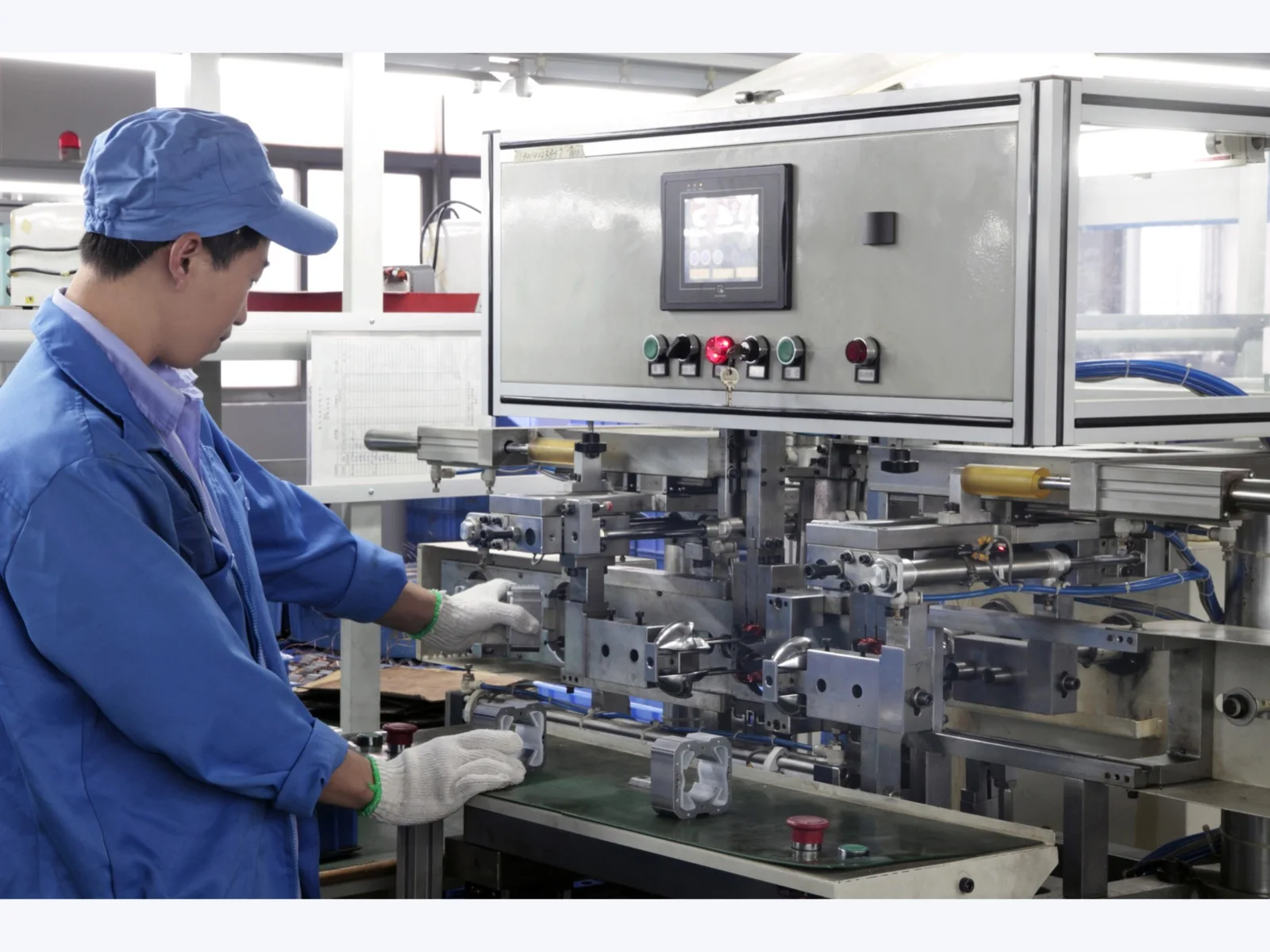
Use the checklist →A closer look at Zhanye Motor

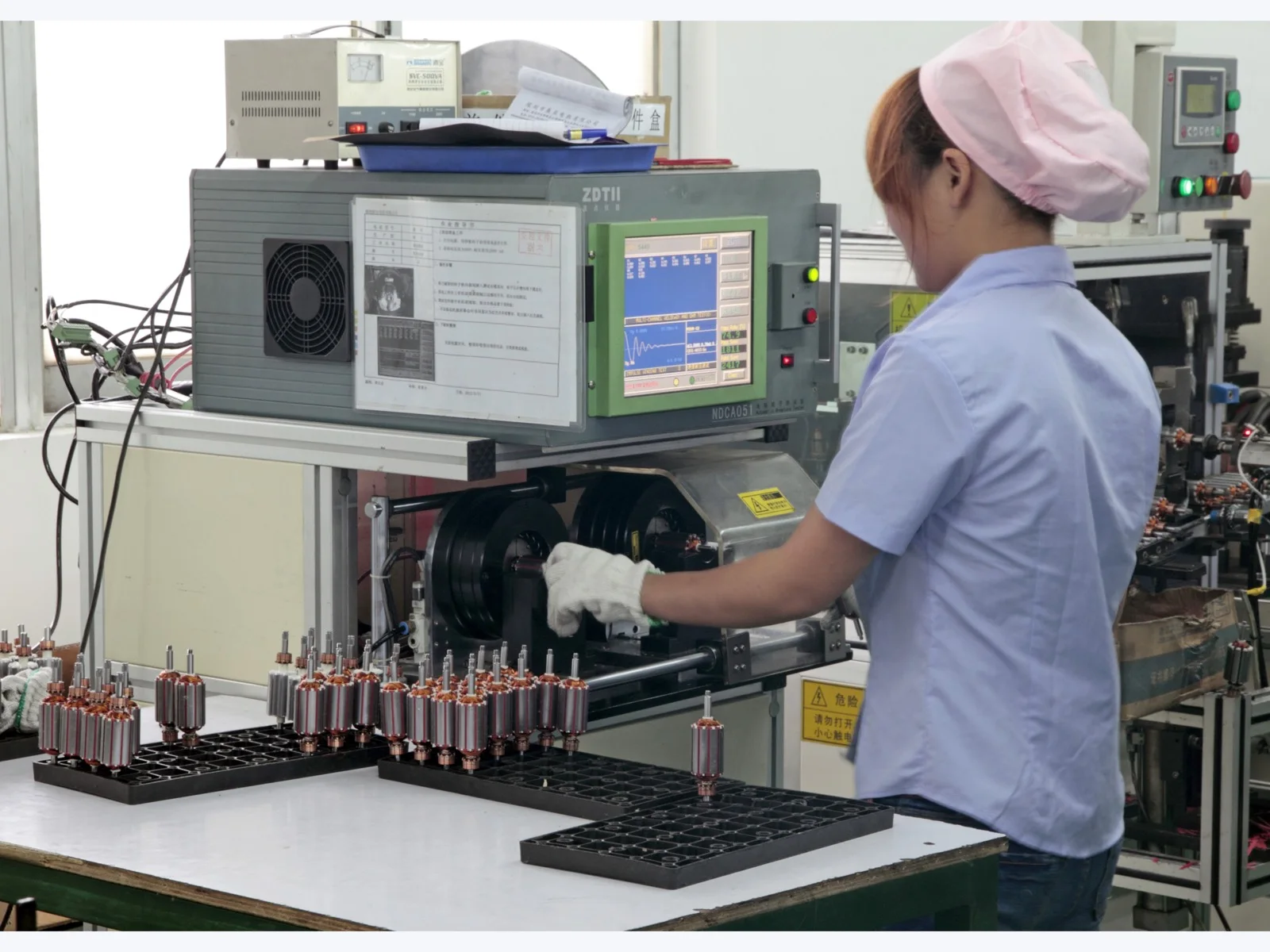
Tell us what the motor must do
Share the application, operating point, available space, project stage and estimated quantity. We will help identify the next engineering step.
Direct engineering answers
OEM electric motor applications: where each platform fits
Which motors are used in home and commercial appliances?
Universal motors are often evaluated for high-speed blenders, juicers, mixers and vacuum cleaners. Brushless, induction and shaded-pole platforms may suit quieter, continuous-duty, fan, pump or controlled-speed functions.
What matters for robotics and automated equipment?
Start with the loaded torque-speed point, startup and peak load, duty cycle, controller, feedback, gearbox, available envelope, shaft loads, noise and thermal limits.
How should a medical or precision-equipment motor be reviewed?
Define load stability, speed control, noise, temperature rise, service profile, traceability and product-level validation needs. Compliance and acceptance criteria remain specific to the finished equipment.
Engineering note: published information supports initial comparison. Final specifications, certification scope, MOQ and lead time are confirmed for each project.
START YOUR MOTOR PROJECT
Talk with Our Motor Engineering Team
Share your application, operating point, mechanical envelope and estimated quantity. We will help compare available motor platforms and identify the next engineering step.
Helpful information to include: target voltage, speed, torque, duty cycle, available dimensions, project stage and estimated annual demand.