
Manufacturing & Quality
Manufacturing Control for Consistent OEM Motor Production
Zhanye connects approved motor requirements with material checks, controlled assembly and performance verification to support a stable transition from engineering samples to repeatable production.
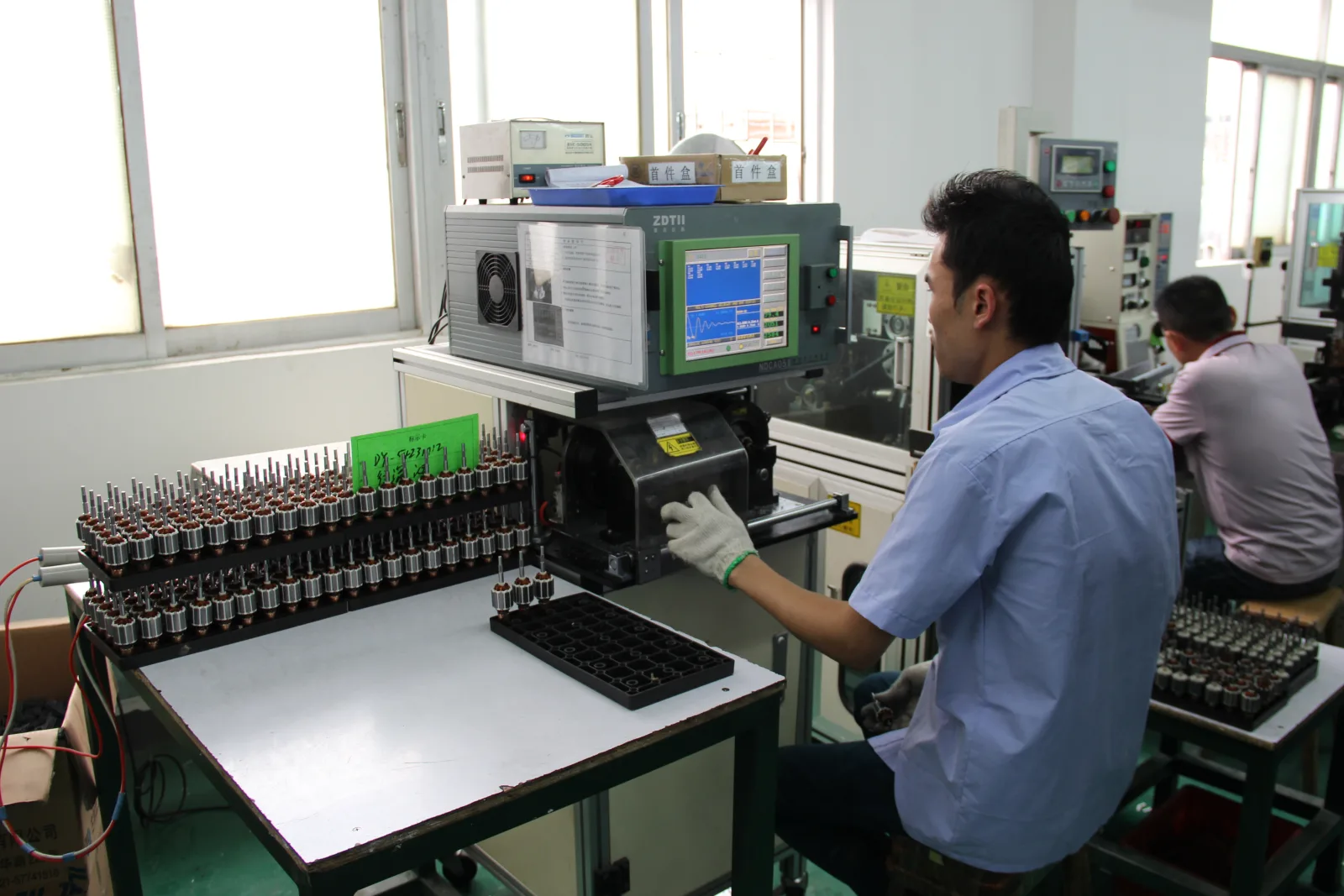
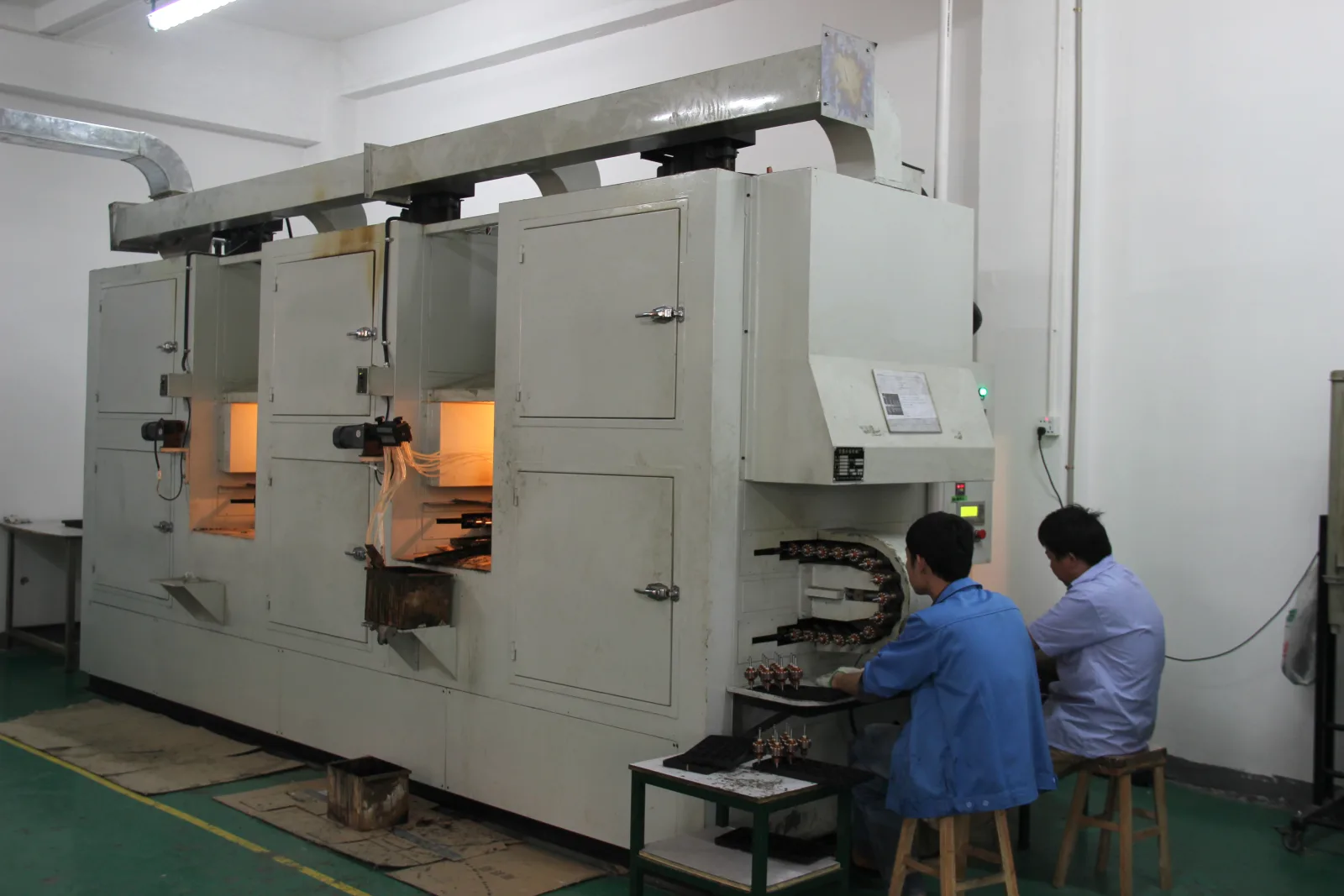
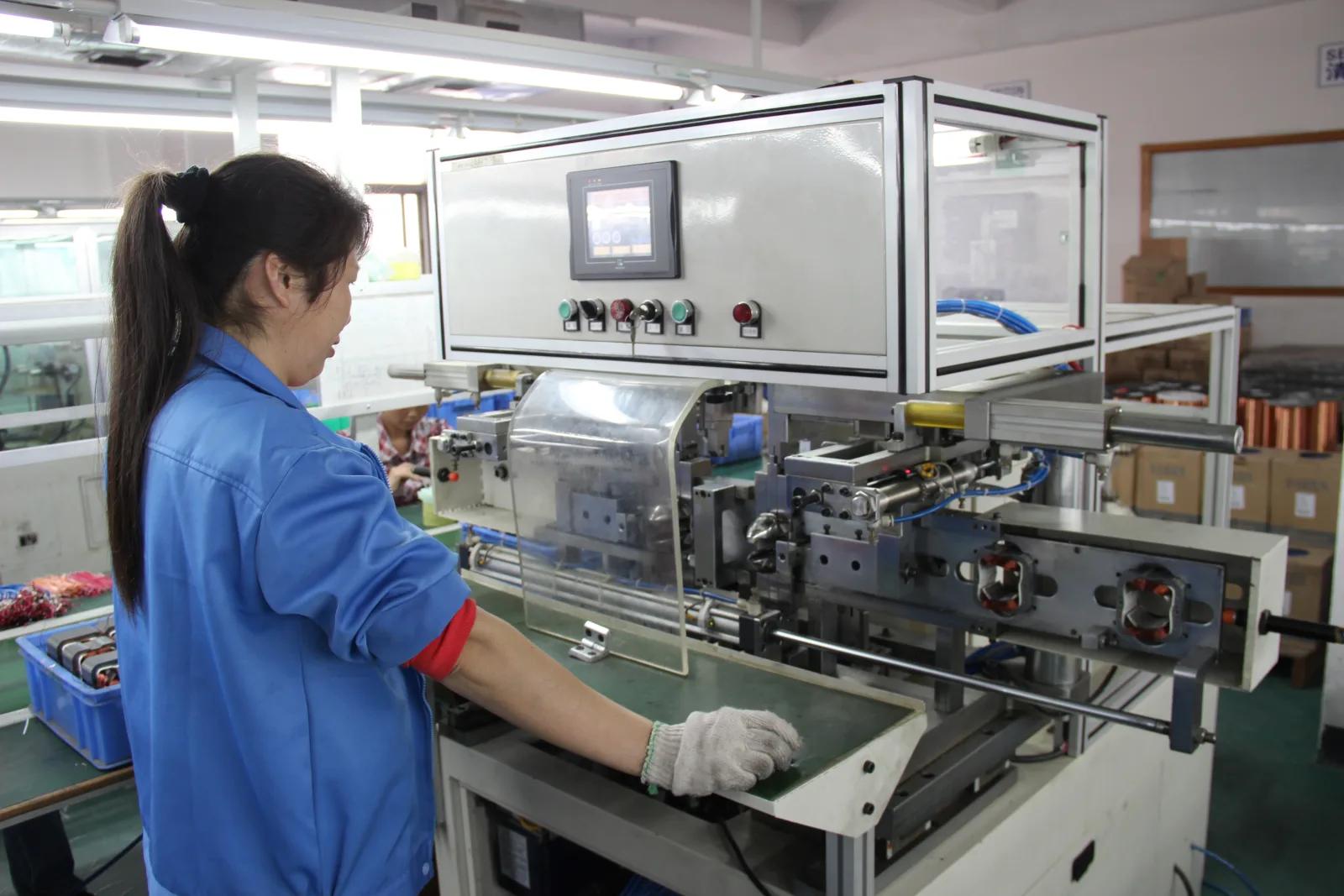
Zhanye Facility
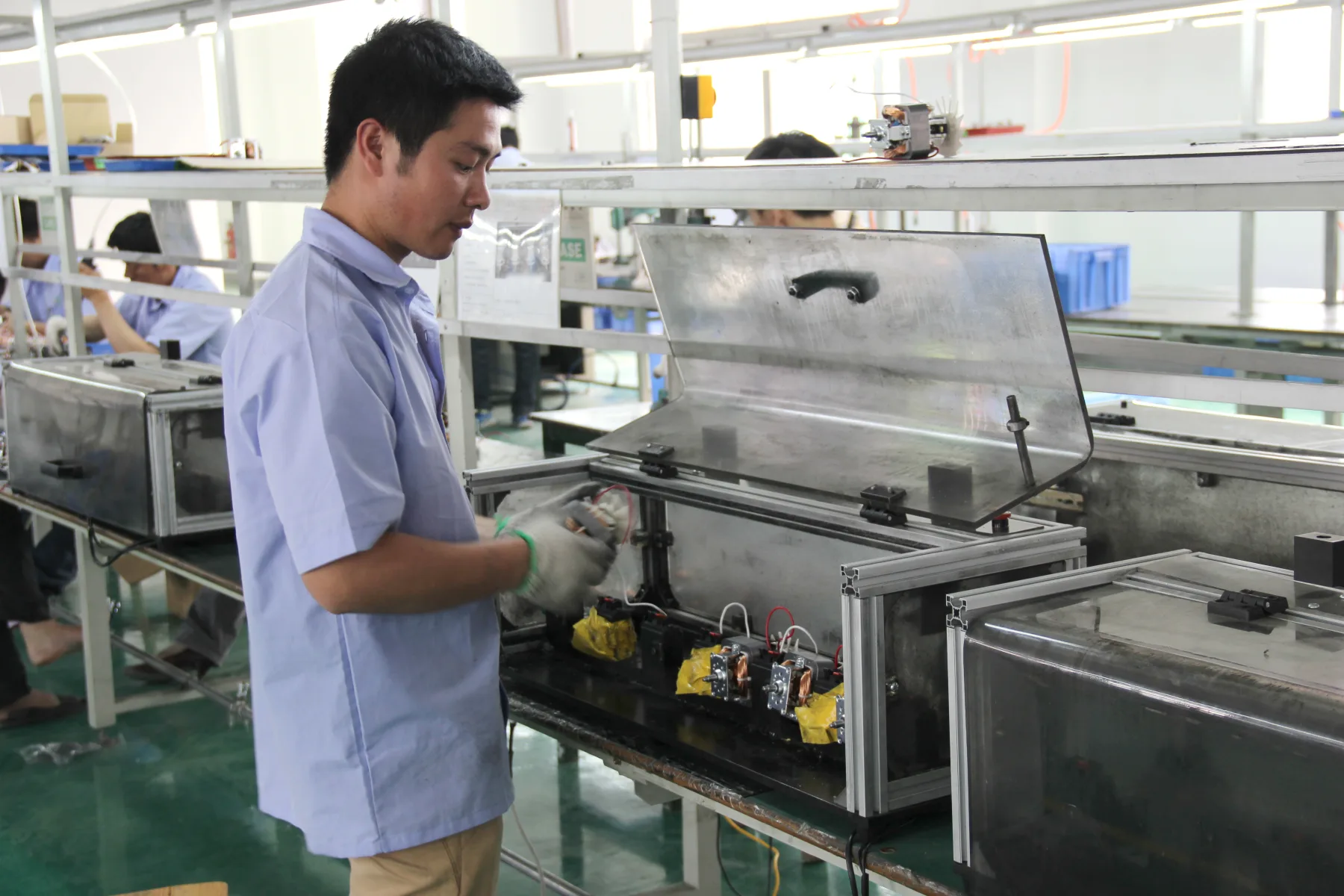
Process control in action
Selected facility and process views show how assembly stages and verification resources support the approved motor requirement.

QUALITY IN PRACTICE
See the process behind the specification.
Requirements guide production. Verification closes the loop.
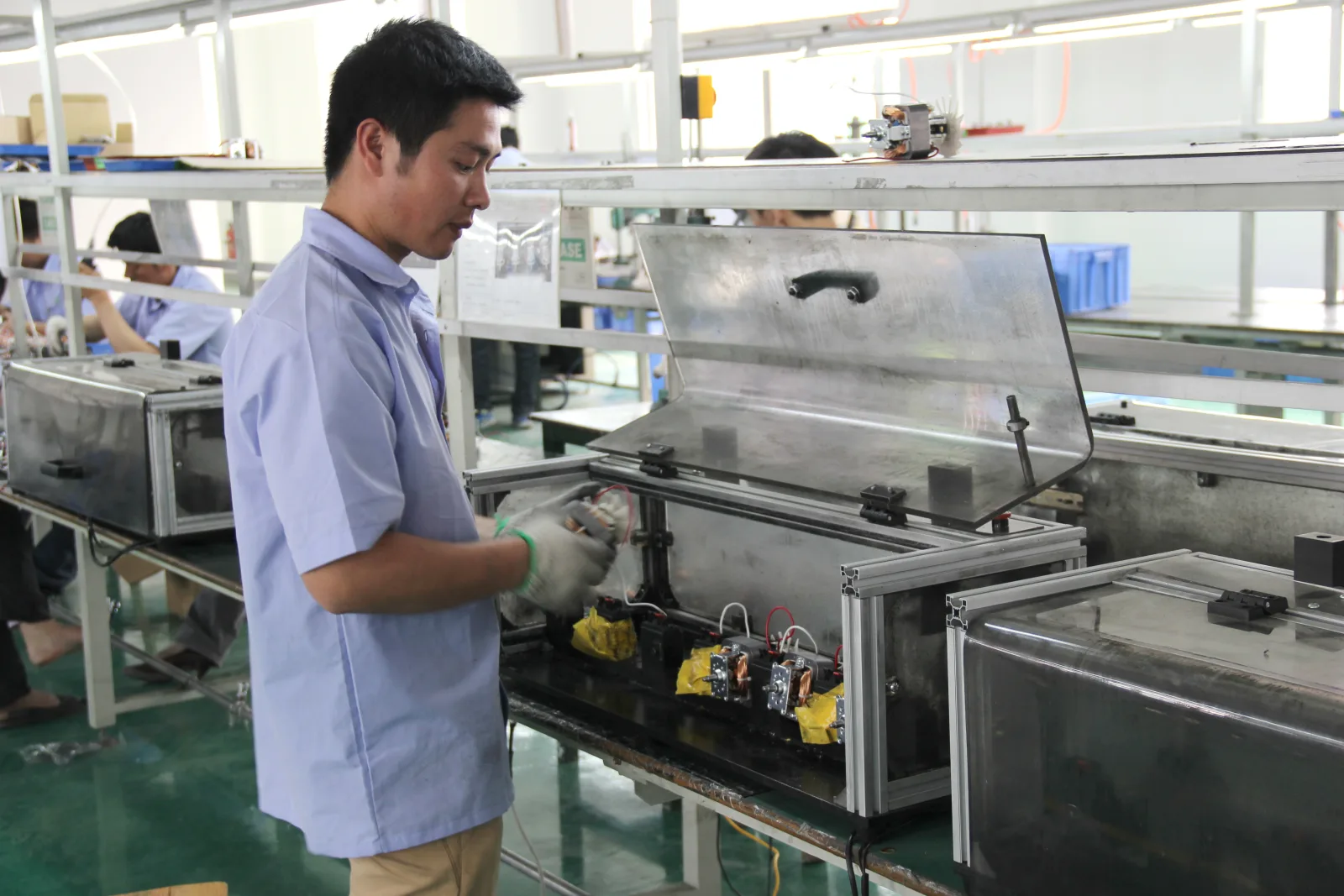
01 · Define
Approved specification
Agree the electrical, mechanical and test requirements.
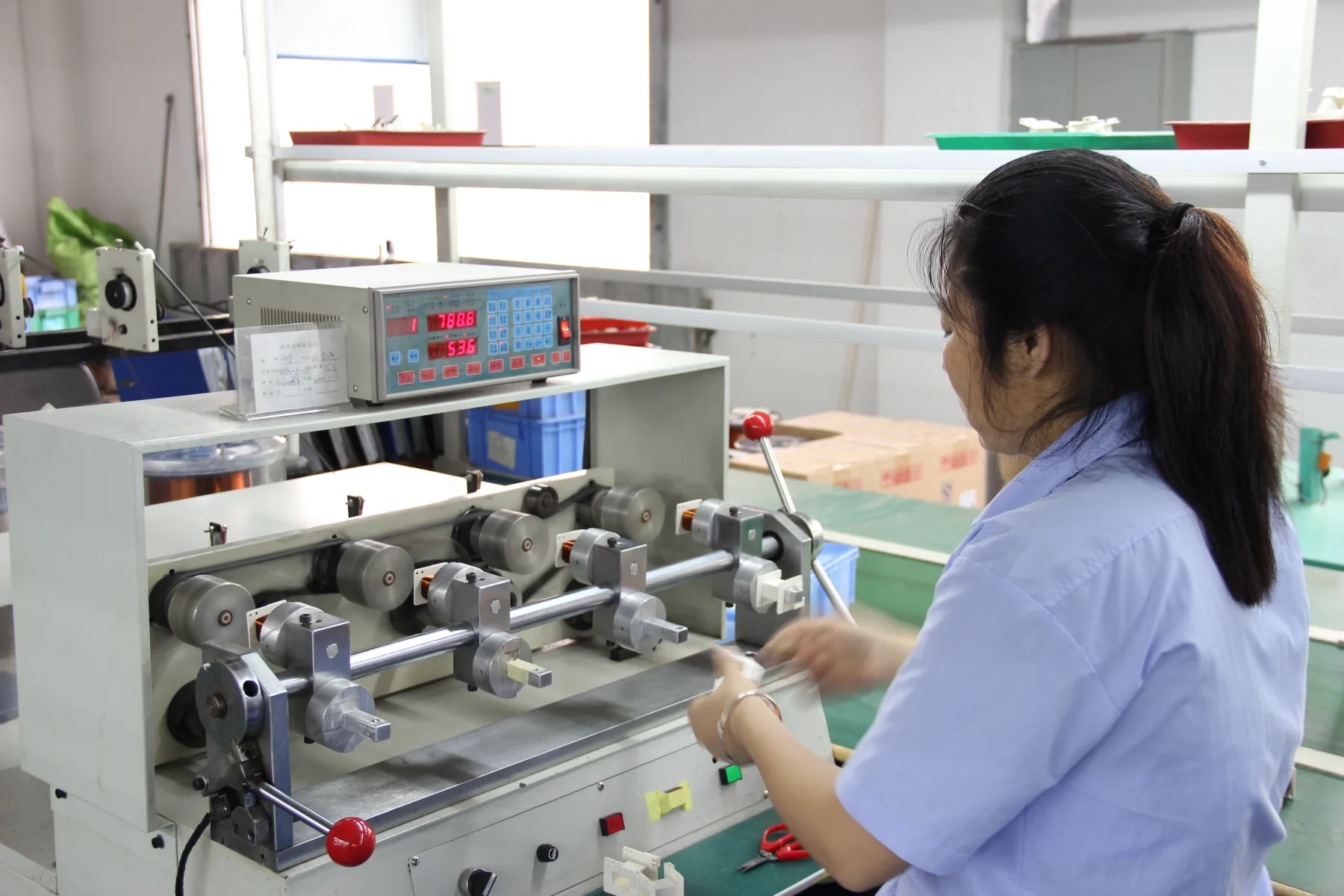
02 · Control
Materials & process
Check key components and assembly stages.
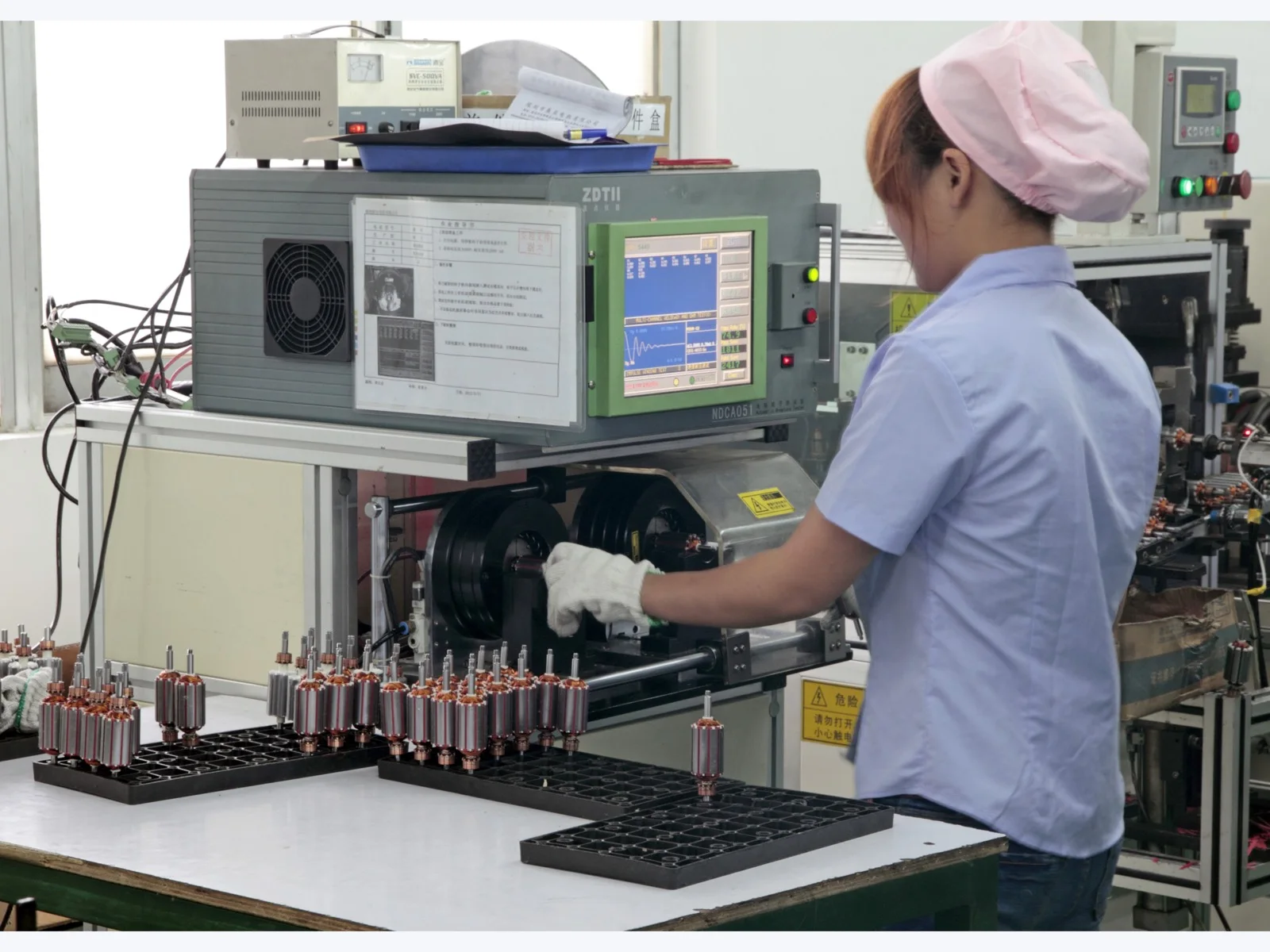
03 · Verify
Performance validation
Compare results with the agreed operating points.
04 · Repeatable production. Pilot-build feedback closes open points and establishes the approved production reference.
Production & Quality Checkpoints
Checks aligned with the motor specification
The exact control plan depends on the motor and application. These checkpoints show how critical requirements can be carried from incoming material review through final verification.
Incoming Materials
Key materials and components are checked against defined purchasing and engineering requirements.
Winding & Electrical
Winding parameters, insulation and electrical characteristics are reviewed during production.
Assembly Controls
Critical dimensions, shaft interfaces, fasteners and assembly steps follow the approved construction.
Performance Testing
Speed, current, input power or other agreed operating points can be checked against defined criteria.
Final Verification
Final inspection and applicable records support release against the agreed product requirement.
Sample to Production
A controlled path to repeatable manufacturing
Validation connects engineering intent with the real product load before volume production begins.
Requirement Alignment
Confirm target operating point, interfaces, test method and acceptance criteria.
Engineering Sample
Build and review the selected platform or customized construction.
Application Validation
Evaluate motor behavior in the customer’s actual appliance or representative load.
Pilot & Production Release
Use pilot feedback to close open points and establish the approved production reference.
Certificate records
Selected quality-system and product-conformity document records. These small, non-downloadable previews indicate available records; applicability must be confirmed for the relevant motor model, construction and target market.
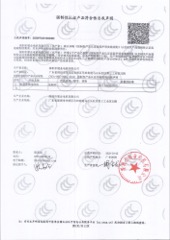

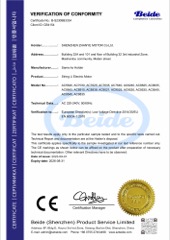
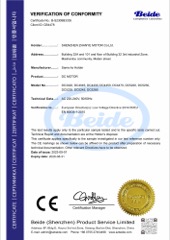
Please contact us to confirm the document scope applicable to your motor model, construction and project.
Documentation Support
Technical records matched to the project stage
Available drawings, specifications, test information and supplier-qualification documents can be reviewed during the RFQ and validation process. Required scope should be confirmed for each program.
Use the OEM motor RFQ checklist →Quality Planning Questions
Align the evidence before validation begins
Clear definitions reduce avoidable differences between a catalog reference, an engineering sample and the final production requirement.
Does an existing certificate automatically cover a customized motor?
Not necessarily. Applicability depends on the certificate scope, motor model, construction and target market. The relevant documentation should be reviewed for each project.
Which performance data should be agreed?
Define the operating point, test method, supply conditions, load, tolerances and environment so that sample and production results can be compared consistently.
What becomes the production reference?
The approved drawing, specification, sample status, acceptance criteria and agreed change controls should be aligned before production release.
From sample review to manufacturing validation
Define the quality requirements for your OEM motor program
Share the application, validation plan, required documents and estimated production volume.
Direct engineering answers
Electric motor manufacturing and quality: quick answers
Which production stages affect motor consistency?
Winding, commutator or rotor processing, balancing, bearing and shaft assembly, electrical connection, final assembly and end-of-line testing all influence repeatability.
What should be validated before production release?
Confirm performance at the real load point, temperature rise, starting behavior, noise and vibration, electrical safety requirements, service profile and critical mechanical interfaces.
How should an OEM compare motor factories?
Compare engineering response, sample-to-production control, test records, traceability, inspection points, change management and the ability to maintain the approved configuration.
Engineering note: published information supports initial comparison. Final specifications, certification scope, MOQ and lead time are confirmed for each project.
START YOUR MOTOR PROJECT
Talk with Our Motor Engineering Team
Share your application, operating point, mechanical envelope and estimated quantity. We will help compare available motor platforms and identify the next engineering step.
Helpful information to include: target voltage, speed, torque, duty cycle, available dimensions, project stage and estimated annual demand.