
Engineering Resources
Motor Selection Resources for OEM Product Teams
Practical information to help purchasing and engineering teams compare motor platforms, prepare application requirements and move efficiently from initial review to sample validation.
Resource Library
Find the information needed for an efficient motor review
Use these resources as a starting point. Final motor selection and construction should always be verified against the actual appliance, load profile and compliance requirements.
Technical Data
Review available motor families, representative performance ranges and model-level specifications.
View motor platformsEngineering Guides
Understand the inputs that influence winding, shaft, mounting, rotation, cooling and protection choices.
Read engineering guidesRFQ Preparation
Prepare the operating point, mechanical envelope and volume information needed for a productive review.
Prepare your inquiryQuality & Certificates
Review manufacturing controls, validation planning and small previews of available certificate records.
Review quality recordsResource Availability
Know what can be reviewed now
Public pages provide a practical starting point. Project-specific documents are discussed only after the motor model, construction, test conditions and intended market are understood.
Available on the website
- Current Universal Motor model pages and published catalog data
- Six English engineering guides covering platform selection, performance data, RFQ preparation, thermal validation, noise and vibration
- Small, non-downloadable previews of selected certificate records
- Application, customization and quality-planning guidance
Confirmed for a specific project
- Applicable drawings and agreed motor specifications
- Sample or application-specific test information
- Compliance documents relevant to the model, construction and target market
- Quotation, sample plan and validation scope after engineering review
Using Technical Resources
Turn documents into a focused engineering discussion
Catalog tables, outline drawings and certificate records are useful when they are tied to a specific motor configuration, test condition and target application.
- Use published data as a comparison baseline
- Identify missing operating and mechanical inputs
- Confirm project-specific drawings and compliance scope during review
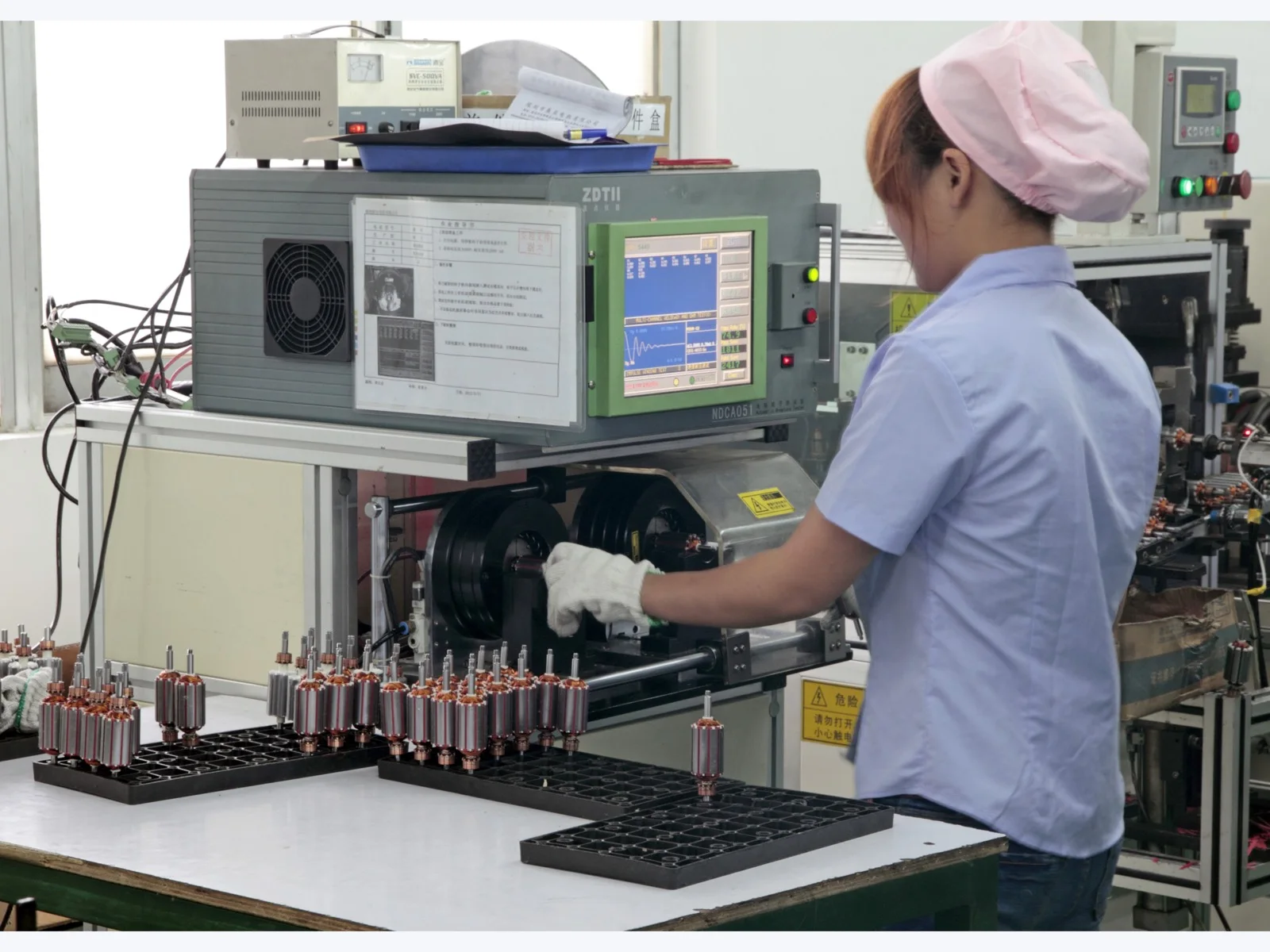
Engineering Guides
Practical guidance for motor selection and OEM inquiries
Use these guides to organize technical requirements, understand catalog data and prepare a clearer discussion with an electric motor supplier.
How to Select a Universal Motor for OEM Appliances
Turn the appliance load, supply, duty cycle and installation envelope into a practical starting point for motor review.
Read the selection guideHow to Read a Universal Motor Performance Table
Understand operating-point columns, torque, output power, efficiency and the limits of catalog performance data.
Read the performance guideWhat to Include in an OEM Motor RFQ
Prepare the electrical, mechanical, operating and quantity information needed for an efficient engineering review.
Use the RFQ checklistMotor Duty Cycle and Thermal Validation for OEM Products
Define run time, rest periods, starts, cooling conditions and a repeatable thermal validation plan.
Read the thermal validation guideHow to Choose the Right Motor Platform for an OEM Product
Compare universal, brushless DC, brushed PMDC, geared and fan or blower solutions using complete-system requirements.
Compare motor platformsMotor Noise and Vibration: What OEM Engineers Should Specify
Separate motor, mounting, transmission and airflow effects and prepare a repeatable product-level validation plan.
Read the NVH guideOEM Procurement Guides
Choose a guide based on the buying decision you need to make
These pages connect application needs, relevant Zhanye motor platforms, published test references, customization inputs, sample validation and commercial planning. Use them to prepare a focused OEM discussion rather than compare model numbers alone.
Application and supplier selection
Supply voltage and frequency
Engineering and validation process
Regional sourcing preparation
Certificate records
Selected quality-system and product-conformity document records. These small, non-downloadable previews indicate available records; applicability must be confirmed for the relevant motor model, construction and target market.
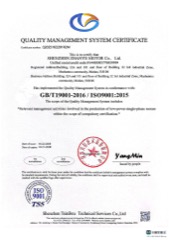


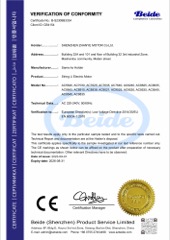
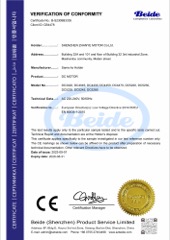
Please contact us to confirm the document scope applicable to your motor model, construction and project.
Motor Selection Checklist
Prepare the inputs that shape motor performance
A clear requirement allows Zhanye to compare existing platforms first, identify necessary customization and reduce avoidable sample iterations.
Share known targets, acceptable ranges and any open engineering questions.
Electrical
Supply voltage, frequency, rated input, current limits and insulation requirements.
Performance
Target speed, torque, load curve, duty cycle, starting demand and operating direction.
Mechanical
Available envelope, shaft geometry, mounting points, fan or coupling interface and weight limits.
Operating Environment
Ambient temperature, cooling conditions, dust or moisture exposure, noise and vibration targets.
Protection & Compliance
Thermal protection, grounding, lead wire, connector and market-specific certification needs.
Program & Volume
Project stage, sample timing, validation plan, estimated annual demand and production location.
Common Engineering Questions
Clarify the key decisions before sample development
Early alignment on the operating point and installation conditions helps focus testing on the variables that matter most.
Can an existing motor platform be customized?
Yes. Depending on the platform, voltage, winding, shaft, mounting, rotation, lead wire and thermal protection can be reviewed for adaptation.
What information is needed to compare models?
At minimum, provide voltage, target speed and torque or load, available dimensions, duty cycle and intended application.
How is rotation direction specified?
State clockwise or counterclockwise together with the viewing direction. A drawing or installation photo helps avoid ambiguity.
Are catalog values final production guarantees?
Catalog data is a selection reference. Final performance should be confirmed through an agreed specification and validation under the actual load.
What happens after the initial engineering review?
Zhanye compares suitable platforms, identifies open technical points and proposes the next step for drawings, samples or testing.
Can we request a motor for a new OEM product?
Yes. Share the application concept and known constraints even if the design is not final; engineering can help define a practical starting point.
Turn your application requirements into a focused engineering review
Share the operating point, mechanical envelope, project stage and estimated quantity. We will help identify the most suitable next step.
OEM Motor Glossary
Make the key motor terms easier to compare
These plain-language definitions help purchasing and engineering teams read catalog pages and prepare a more focused motor discussion.
No-load speed
The shaft speed measured without the application load. Actual operating speed depends on load, voltage, airflow and the system design.
Maximum tested output
The highest shaft output recorded in a stated test context. It is a comparison reference, not a guaranteed operating point for every product.
Rotation
The specified clockwise or counter-clockwise shaft direction, viewed from the agreed reference side. Confirm direction with the mechanical design.
Catalog life
A service-life statement is meaningful only when supported by defined load, duty cycle, environment and test criteria. Confirm project-specific evidence before relying on it.
Thermal protection
A component or design approach that limits overheating. The suitable protection method depends on duty cycle, cooling and operating conditions.
Mechanical envelope
The available integration space, including shaft, mounting points, interfaces, airflow path and clearance around the motor.
Motor Engineering Knowledge Library
Practical guidance for comparing motor systems and preparing OEM requirements.
Browse the five motor families
Universal motors · ZU
Review high-speed AC applications, brush commutation, cooling and loaded performance.
Explore universal motorsBrushless motors · ZB
Review the motor together with its controller, supply, speed range and protection strategy.
Explore brushless motorsBrushed DC motors · ZD
Compare supply and control requirements, loaded torque, brush considerations and integration space.
Explore DC motorsInduction motors · ZI
Check frequency, pole count, slip, starting characteristics and the actual load.
Explore induction motorsShaded pole motors · ZS
Evaluate starting torque, efficiency, temperature rise and the intended fan or mechanism.
Explore shaded pole motorsSelection and application guides
- Five motor types for OEM products
- 230V 50Hz and 220V 60Hz compatibility
- Blender and mixer grinder motor selection
Motor integration and validation guides
Vacuum Motor Selection: Airflow, Pressure and Air Watts
Compare vacuum motor airflow and pressure at the same operating point. Review air watts, filters, cooling and complete-appliance validation for OEM designs.
Read the engineering guide →Starting, Peak and Continuous Motor Torque: What OEMs Should Specify
Distinguish starting, peak, continuous and stall torque. Define speed, duration, supply and load conditions for a useful OEM motor selection brief.
Read the engineering guide →Brushed Motor EMI: An OEM Integration and Validation Checklist
Plan brushed motor EMI testing with the actual controller, wiring and enclosure. Review conducted and radiated emissions, immunity and suppression compatibility.
Read the engineering guide →Brushless Motor and Controller Matching for OEM Products
Match a brushless motor with supply, current limits, feedback and startup requirements. Validate the complete OEM drive, including protection and cooling.
Read the engineering guide →Motor Shaft Loads: Radial, Axial and Coupling Requirements
Specify radial and axial shaft loads, force location, coupling alignment and assembly requirements. Review bearing and mounting limits for OEM motor integration.
Read the engineering guide →How to use published motor data
Use values from the same configuration and operating point. Supply voltage, loaded speed, torque, electrical input and shaft output belong together. A maximum output value and a maximum efficiency value may come from different test points.
Nominal voltage is the intended supply specification. A measured test voltage is a separate value. Rounded public catalog values cannot be used to reconstruct the original measurements.
Direct engineering answers
OEM electric motor engineering resources
Where should a new motor project begin?
Begin with the application, power supply, loaded speed and torque, startup condition, duty cycle, cooling, available dimensions and project volume. These inputs narrow the suitable platform.
Which topics reduce development risk?
Motor-platform selection, RFQ completeness, thermal validation, noise and vibration, shaft loads, sample development and production testing should be agreed before release.
Engineering note: published information supports initial comparison. Final specifications, certification scope, MOQ and lead time are confirmed for each project.
START YOUR MOTOR PROJECT
Talk with Our Motor Engineering Team
Share your application, operating point, mechanical envelope and estimated quantity. We will help compare available motor platforms and identify the next engineering step.
Helpful information to include: target voltage, speed, torque, duty cycle, available dimensions, project stage and estimated annual demand.